Strip Out Contractors Kensington and Chelsea

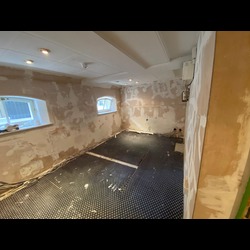
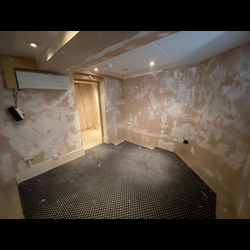
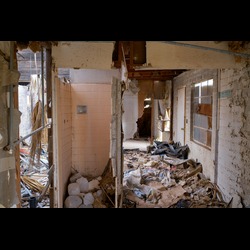
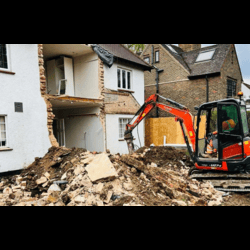
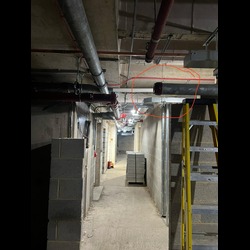
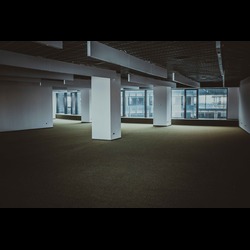
Stripping a building's interior removes everything except the columns, providing a blank slate to modify the layout quickly and add rooms, plumbing, and other features to suit your needs. This approach is often less costly than demolishing the entire building and rebuilding from scratch, though the extent of required renovations can vary depending on the existing structure.

Strip Out Contractors Kensington and Chelsea

Strip Out Works

We can efficiently strip out and manage interior projects of all sizes, from single offices to multi-story buildings, while prioritizing safety and environmental sustainability. Our experienced team will carefully plan and execute the project in phases, minimizing disruption to your business operations. We responsibly dispose of at least 95% of waste materials through traceable recycling systems to meet LEED and BREEAM standards.

When you move or renovate, you must remove all furniture and fixtures. This is called a "strip out." Lease agreements often require you to hand over the space exactly how you found it, so you may need to remove any additions. While this can seem daunting, our experienced team can efficiently handle the task without causing any damage, whether to satisfy a lease or prepare for a more extensive renovation.

We provide efficient and cost-effective strip-out services for office blocks and commercial premises. Our experience enables us to cut costs, which we pass on to you. After the strip-out, we thoroughly clean the space, preparing it for the next tenant or transformation. Our services cover both residential and commercial buildings.

The complete strip out service in Kensington and Chelsea

We provide an easy, stress-free strip-out for our customers at Strip Out Company. From the initial site meeting to final handover, we take care of every tiny detail in your strip-out project, ensuring it is finished within the said time and budget, with high-quality work. Whether you're a property owner in London or a tenant looking to change a property completely, we are there for you. From simple site removal tasks to soft strip demolition jobs, we possess the skills to manage everything.

Soft Strip Out

We help carefully remove indoor installations and features to prepare your area for remodeling or redevelopment.

Card 1 Image

Enabling works and site clearance

We prepare your site for new construction by efficiently removing obstacles and debris.

Card 2 Image

Internal Demolition

We carefully take out internal walls and structures that don't support weight to achieve your preferred design.

Card 3 Image

Top down demolition

Our demolition team dismantle buildings from the roof down for complex projects in constrained spaces.

Card 4 Image

Dismantling and Deconstruction

We dismantle and remove building components for reuse, minimising waste and environmental impact.

Card 5 Image

Dilapidations

We are experts in delivering commercial and industrial dilapidations for companies of all sizes.

Card 6 Image

Let’s get
started

Would you like to learn more about how we can help you with your next residential or commercial project, fill in your details and a member of our team will be in touch.

This site is protected by reCAPTCHA and the Google Privacy Policy and Terms of Service apply.

RECENT BLOG POSTS


End of Lease Strip Out: What Landlords Expect Before Handover

For many businesses, the end of a commercial lease can arrive surprisingly quickly. One moment you're planning an office move or relocating a retail operation, and the next you're faced with a schedule of obligations that must be completed before the keys can be handed back. One of the most significant of those obligations is often the strip out and reinstatement of the property. While many tenants assume they simply need to remove their furniture and vacate the premises, commercial leases often require a far greater level of work. Landlords frequently expect tenants to remove alterations, dismantle fit-outs, disconnect services, and return the property to an agreed condition before the lease expires. Failing to understand these requirements can lead to disputes, financial claims, and costly delays. Understanding what landlords typically expect and planning ahead can make the difference between a smooth handover and an expensive problem. What Is an End of Lease Strip Out? An end of lease strip out is the process of removing tenant-installed elements from a commercial property before it is returned to the landlord. Over the course of a tenancy, businesses often make changes to suit their operational requirements. Office occupiers create meeting rooms and breakout spaces. Retailers install shop fittings and branded displays. Industrial occupiers may add offices, racking systems, specialist services, or welfare facilities. These alterations may have improved the space for the current occupier, but they are not always beneficial to the landlord or future tenants. As a result, many lease agreements contain clauses requiring the removal of these additions at the end of the tenancy. The objective is typically to restore the property to a condition that allows the landlord to market, refurbish, or re-let the building without unnecessary delays. Why Do Landlords Require Reinstatement Works? From a landlord's perspective, flexibility is extremely valuable. A highly customised office designed around one company's requirements may not appeal to the next occupier. Likewise, a retail unit fitted out for a specific brand may require significant alterations before another retailer can move in. By requiring tenants to reinstate the property, landlords can regain control of the space and prepare it for the next phase of occupation. In many cases, landlords prefer to receive a property stripped back to a more neutral condition. This allows them to refurbish the space, undertake improvement works, or offer a blank canvas to prospective tenants. It also reduces the risk of inheriting poorly installed alterations or systems that may create future maintenance issues. Understanding Dilapidations and Lease Obligations One of the biggest misconceptions surrounding end of lease strip out projects is that they are solely a construction matter. In reality, they are often closely linked to dilapidations. Dilapidations refer to breaches of lease obligations relating to the condition of the property. As a lease approaches expiry, landlords will often appoint surveyors to inspect the building and prepare a Schedule of Dilapidations. This document identifies works that the tenant may be responsible for carrying out before handover. These requirements can extend beyond simple repairs and maintenance. They may include the removal of tenant alterations, reinstatement of original layouts, replacement of damaged finishes, and the disconnection of services. Every lease is different, which is why it is important to review obligations carefully rather than making assumptions about what is required. What Landlords Commonly Expect to Be Removed Although every property is unique, certain elements frequently appear within end of lease strip out projects. Office occupiers are often required to remove partitioned meeting rooms, glazed systems, suspended ceilings, raised access flooring, kitchens, reception desks, and bespoke joinery. Retail tenants may need to remove shop fittings, display systems, signage, counters, changing rooms, and specialist lighting installations. Industrial occupiers are commonly required to remove mezzanine structures, internal offices, racking systems, plant installations, and ancillary services. The extent of the strip out will depend on the lease agreement, any licences for alterations, and discussions with the landlord during the tenancy. Why Early Planning Matters One of the most expensive mistakes tenants make is leaving strip out planning until the final weeks of the lease. Many businesses focus on relocation, staffing, and operational changes while underestimating the amount of work required to return a property. By the time the lease end date approaches, there is often limited time available to obtain quotations, carry out surveys, secure approvals, and complete the works themselves. Starting the process several months in advance creates far more flexibility. It allows time to review lease documentation, understand landlord expectations, obtain professional advice where necessary, and programme works properly. Early planning also provides an opportunity to identify potential risks before they affect the project. Common Challenges During End of Lease Strip Out Projects No two strip out projects are identical, but certain challenges appear repeatedly across commercial properties. Access restrictions are often a major factor. Many office buildings have strict rules governing working hours, loading bays, lift usage, and waste removal. Retail units located within shopping centres frequently have similar requirements. Older buildings can present additional complications. Services may have been modified several times over the years, and drawings are not always accurate. Discovering undocumented electrical systems, redundant pipework, or hidden installations can affect both programme and cost. Asbestos is another consideration, particularly in older commercial buildings. Appropriate surveys should always be carried out before intrusive works begin. Communication can also become an issue if expectations between landlord and tenant are not clearly understood from the outset. What one party considers acceptable may differ significantly from what the other expects to receive at handover. How to Achieve a Successful Handover The most successful end of lease projects tend to have one thing in common: preparation. Businesses that review their obligations early, understand the scope of reinstatement works, and engage experienced contractors generally experience a much smoother process. Rather than treating strip out as a last-minute requirement, it should be viewed as an important part of the wider lease exit strategy. A well-planned strip out project not only helps satisfy landlord requirements but also reduces the likelihood of disputes, delays, and unexpected financial claims. Final Thoughts End of lease strip out projects are about far more than simply emptying a building. They involve understanding lease obligations, managing reinstatement requirements, coordinating access, and delivering works that satisfy both the tenant and landlord. Every commercial property is different, and every lease contains its own requirements. For that reason, there is no universal approach to end of lease strip out works. However, one principle remains consistent across almost every project. The earlier you start planning, the easier the process becomes. By understanding landlord expectations and addressing strip out requirements proactively, tenants can achieve a smoother handover, minimise risk, and avoid unnecessary costs at the end of their lease....

READ MORE
Do you need planning permission for a strip out?

One of the most common questions we hear from clients at the start of a project is: "Do I need planning permission before carrying out a strip out?" The answer depends on the scope of the works, the type of building, and what you're ultimately planning to do with the property. In many cases, a standard strip out project can proceed without planning permission. However, there are important exceptions that property owners, landlords, tenants, and developers should understand before work begins. In this guide, we'll explain when planning permission is required, when it isn't, and what other approvals you may need before carrying out strip out works. What Is a Strip Out Project? A strip out project involves removing non-structural elements from a building to prepare it for refurbishment, fit-out, redevelopment, or a change of use. Typical strip out works include: Internal partitions Suspended ceilings Floor finishes Mechanical and electrical services Fixtures and fittings Kitchens and welfare areas Built-in joinery and storage The objective is usually to return the building to a shell condition ready for the next phase of construction. In Most Cases, Planning Permission Is Not Required If you're simply removing internal non-structural elements and not altering the external appearance or structure of the building, planning permission is generally not required. For example: Removing office partitions Stripping out a retail unit Removing suspended ceilings Taking out floor coverings Removing redundant services These types of works are typically considered internal alterations and fall outside the planning process. However, that doesn't mean you can start work without carrying out the appropriate checks. When Planning Permission May Be Required There are situations where planning permission could become necessary. 1. Listed Buildings If the building is listed, even internal alterations may require Listed Building Consent. This is because features inside the property may have historic or architectural significance. Removing internal walls, fixtures, or original features without approval can result in enforcement action and significant delays. If you're working within a listed building, it's essential to seek professional advice before any strip out works begin. 2. Structural Alterations Soft strip demolition focuses on non-structural elements, but some projects progress into structural demolition or reconfiguration. Planning permission may be required if works involve: Removing load-bearing walls Altering the building structure Extending the property Changing the building's external appearance In these situations, planning and building control requirements should be reviewed before works commence. 3. Change of Use Projects Many strip out projects form part of a wider redevelopment scheme. If the end goal is changing the use of the building, planning permission may be required regardless of whether the strip out itself needs consent. Examples include: Office to residential conversions Warehouse to mixed-use developments Retail units becoming restaurants or leisure spaces The strip out works may not require permission, but the overall development could. Planning Permission vs Building Regulations One of the most common misunderstandings is confusing planning permission with Building Regulations approval. They are not the same thing. Planning Permission Planning permission focuses on how land and buildings are used and how developments affect the surrounding area. Building Regulations Building Regulations focus on safety, structural integrity, fire protection, accessibility, and compliance standards. Even if planning permission isn't required, Building Regulations approval may still apply to later stages of the project. Other Approvals You May Need Before a strip out project begins, it's important to consider other requirements that may apply. Asbestos Surveys A Refurbishment and Demolition Asbestos Survey should be completed before intrusive strip out works begin. Landlord Consent If you're a tenant, your lease may require landlord approval before alterations or reinstatement works take place. Building Management Approval Many office buildings, shopping centres, and multi-occupied properties require approval for: Access arrangements Waste removal Working hours Logistics planning Party Wall Considerations Where structural works follow a strip out project, Party Wall matters may need to be addressed. How to Avoid Problems Before Starting Work The best approach is to review the project properly before work begins. This typically involves: Understanding the building's status Reviewing lease obligations Identifying any planning constraints Completing required surveys Confirming access and building management requirements Taking these steps early helps avoid delays, unexpected costs, and compliance issues later in the programme. Final Thoughts For most commercial strip out projects, planning permission is not required because the works involve removing non-structural internal elements. However, there are important exceptions, particularly where listed buildings, structural alterations, or wider redevelopment plans are involved. The safest approach is always to assess the building and project requirements before work begins. A little planning at the start can prevent significant delays further down the line. Speak to Our Team If you're planning a strip out project and aren't sure what approvals may be required, we're happy to discuss your project and help you understand the next steps before works commence....

READ MORE
Healthcare Strip Out: What's Different About Working in Hospitals and Clinical Buildings

Why healthcare strip out is genuinely different In a standard commercial strip out — an office, retail unit, or warehouse — the building is usually empty, or the work can be isolated from business operations with reasonable effort. The main concerns are asbestos, live services, access, and waste. Those still apply in healthcare, but they sit on top of a much more complex base. Healthcare environments have patients in them. Sometimes critically ill patients. The consequences of getting something wrong — a dust cloud that reaches a ward, a water system disturbed without proper controls, a medical gas supply unexpectedly interrupted — are far more serious than in any other sector. That changes how every part of the project has to be planned and managed. There are also specific regulatory frameworks that apply only to healthcare construction and refurbishment. The NHS publishes Health Building Notes (HBNs) and Health Technical Memoranda (HTMs) that set out exactly how works in clinical environments should be designed and managed. These aren't optional guidance documents — they're the standard that NHS estates teams, infection control teams, and commissioning bodies expect contractors to work to. ~60%of NHS estate built before 1985 Pre-2000buildings likely to contain asbestos HBN 00-09NHS infection control guidance for construction 24/7live environment — patients present around the clock Key Requirement 1 Infection Prevention and Control (IPC) This is the single biggest difference between healthcare strip out and any other type of commercial project. Infection prevention and control isn't an afterthought in a hospital — it's a core operational function. And when construction or strip out works are happening, the IPC team has to be directly involved. NHS guidance (HBN 00-09: Infection Control in the Built Environment) is clear: the IPC team must be consulted throughout every stage of a capital project. That includes strip out. From the initial scope and method statements through to completion and handover, the IPC team's requirements inform how the work is planned, sequenced, and controlled. What this means on site Before strip out begins in any area adjacent to patient care, a formal Infection Control Risk Assessment has to be carried out. This categorises the work by type and the patient risk level of the surrounding areas, and determines what protective measures are required. In practice, this typically means: Sealed temporary partitions between the work area and any clinical or patient space — not just hoarding, but genuinely sealed barriers that stop dust and airborne particles migrating into clean areas. Negative pressure air machines within the work zone, drawing air inward and filtering it through HEPA units before exhaust. This prevents dust from the strip out being pushed into adjacent areas. Dedicated contractor access routes that are physically separated from patient and clinical routes, including for waste removal. Controlled entry and exit from the work zone — workers clean down before leaving the work area, and waste is removed via routes that don't cross clinical areas. Enhanced dust suppression during any cutting, breaking, or removal of materials that could generate airborne particles. ImportantIn high-risk areas — haematology units, bone marrow transplant wards, ITU — the IPC requirements are significantly more stringent. Construction-related fungal infections (particularly Aspergillus) are a documented clinical risk for immunocompromised patients. Strip out in or adjacent to these areas may require specialist containment measures and air quality monitoring throughout the works. The IPC requirement also means that any change in scope, sequencing, or access route during the project has to be reviewed with the IPC team before it happens. You can't just adapt on the fly the way you might on a standard commercial site. Key Requirement 2 Working in a live healthcare environment The most straightforward difference between a hospital strip out and most other sectors: you are almost never working in an empty building. Hospitals don't close. GP surgeries run appointment lists six days a week. Care homes have residents 365 days a year. This fundamentally changes how the project has to be phased and managed. It's not about inconvenience — it's about patient safety and continuity of clinical services. Phased decanting In most healthcare strip out projects, services have to be decanted — temporarily relocated to other parts of the building — before the strip out of a given area can begin. This takes planning and coordination with the clinical team, not just the estates team. You need to understand which services are in the area to be stripped, where they can move to, and what clinical dependencies might be affected. A phased programme has to be developed and agreed before any work starts on site. It needs to show clearly which areas are being stripped in which sequence, how clinical services move around those phases, and what the trigger points are for moving from one phase to the next. Out-of-hours working For work that generates noise, vibration, or significant dust — which covers most of the actual strip out activity — out-of-hours working is usually required in areas adjacent to patients. In a busy hospital, "out of hours" might mean evenings, nights, and weekends. In a GP surgery, it might mean a short window early in the morning before the first appointment. Out-of-hours working in a healthcare environment also means: Coordinated access via security or the on-call facilities team Clear method statements for what is and isn't permitted during each shift Defined escalation paths if something unexpected is found — who to call, when to stop work, what to do in the interim Robust handover between day and night teams to ensure nothing is left in an unsafe state at shift change Protecting patient areas at all times Even during out-of-hours working, some areas of the hospital remain occupied. Emergency departments don't close. ICU runs 24 hours. Residential care settings always have residents in situ. The programme and method statements have to account for this at all times, not just during standard hours. Practical noteA pre-start meeting with the clinical lead, estates manager, and IPC team is standard practice on well-run healthcare projects. It covers emergency procedures, noise escalation thresholds, who has authority to stop work, and how unexpected finds (asbestos, contamination, structural issues) are handled. This meeting isn't optional — it's a prerequisite for mobilisation. Key Requirement 3 Medical gas systems Medical gas pipelines — oxygen, nitrous oxide, medical air, vacuum systems — run throughout hospital buildings. They're often found in walls and ceiling voids that look identical to standard M&E services until you open them up. This is one of the most significant technical differences between healthcare strip out and standard commercial M&E strip out. Medical gas pipelines are life-safety systems. They cannot be disturbed, damaged, or interrupted without very specific planning, controls, and in most cases, the involvement of a specialist medical gas engineer. Before any ceiling or wall comes down A medical gas survey is required before strip out begins in any area where medical gas pipelines may be present. This identifies the location of pipelines, isolation valves, outlet points, and zone valve boxes. Critically, it maps which systems serve which areas of the hospital — because a pipeline running through a ward corridor might be supplying oxygen to patients two floors away. Any pipeline that passes through the area to be stripped needs to be: Identified and clearly marked before works start Isolated at the appropriate zone valve if it's being decommissioned Verified as isolated — pressure-tested to confirm it's safe before anyone works near it Capped at both ends to prevent contamination if the line is being removed Who can do this work Medical gas pipeline work must be carried out by a Competent Person in Medical Gas Pipeline Systems — someone who holds the relevant qualification under HTM 02-01 (the NHS technical memorandum governing medical gas systems). This is not standard M&E competence. Your strip out contractor either needs this qualification in-house or needs to have a named specialist subcontractor appointed before works start. Do not assumeStandard M&E engineers are not qualified to work on medical gas pipelines. This is a common assumption that can lead to very serious incidents. If medical gas systems are present in the strip out area, confirm the medical gas competency of whoever is managing that element of the work before anyone picks up a tool. Key Requirement 4 Ventilation systems — the hidden complexity Healthcare ventilation systems are not standard commercial HVAC. Different areas of a hospital operate under different ventilation regimes — positive pressure in some clinical areas (to keep contaminants out), negative pressure in others (to prevent contaminants escaping), and carefully controlled air change rates and filtration levels throughout. These systems exist to protect patients and staff from airborne infection, and they have to keep working correctly throughout the strip out. What can go wrong When ductwork, ceiling voids, or plant rooms are disturbed during strip out, several things can happen that affect ventilation integrity: Dust and debris can enter ductwork and be distributed through the ventilation system into patient areas Alterations to ductwork — even temporary ones — can change pressure differentials between areas Removing ceiling tiles or void access panels can short-circuit ventilation systems and allow unfiltered air movement between areas Decommissioning extract fans or air handling units can affect the negative pressure of adjacent isolation rooms The recommissioning requirement This is something many strip out contractors miss. If ventilation systems in or adjacent to the work area are affected — even temporarily — they need to be formally recommissioned and validated before the area is returned to clinical use. You can't just reconnect ductwork and assume it's working correctly. Air pressure testing and microbiological air sampling may be required before sign-off, particularly in clinical areas with immunocompromised patients. This should be agreed as part of the project scope before works start, not discovered as an issue when the strip out is complete and handover is being planned. Key Requirement 5 Legionella and water system risks Legionella bacteria in water systems are a risk in any building, but the consequences in a healthcare setting are far more serious. Hospitalised patients — particularly elderly, immunocompromised, or post-operative patients — are in the highest risk group for Legionnaires' disease. An outbreak in a hospital is a potential major incident. Strip out work creates specific Legionella risks because of what happens to water pipework when it's disturbed, capped, or left dormant: Dead legs — sections of pipework that are isolated or capped but not removed create stagnant water conditions. Stagnant water sitting at the right temperature is the ideal environment for Legionella growth. Disturbance of biofilm — stripping out can disturb existing biofilm in pipework and release bacteria into the wider water system. Loss of thermal control — if hot or cold water systems are interrupted during strip out, temperatures can drift into the range where Legionella multiplies. What needs to happen Under HTM 04-01 (the NHS guidance on water systems), a Legionella risk assessment is required before any significant work on water systems, and again after works are complete. Any dead legs created during the strip out need to be removed or flushed regularly until they're properly dealt with. Water samples may be required before the area is returned to use. The hospital's Water Safety Group — which every NHS trust is required to have — should be notified of and involved in any works affecting water systems. For private healthcare facilities, the equivalent duty lies with the building owner or operator. Key Requirement 6 Asbestos in the NHS estate A significant proportion of the NHS built estate dates from the 1950s to 1980s — the period of peak asbestos use in UK construction. Asbestos is common in NHS buildings, and its presence in a hospital strip out carries higher stakes than in most other settings, for two reasons. First, the scale and complexity of NHS buildings means asbestos is often found in locations that aren't obvious — inside specialist ventilation ducting, in the construction of laboratory benches, in fire-resistant materials around medical equipment, and in areas that have been repeatedly modified over decades of use. A standard Management Survey may not have captured everything that will be encountered during strip out work. Second, the people nearby are already unwell. An asbestos release in a clinical environment — particularly a respiratory or oncology ward — is a significantly worse event than in an empty office building. The survey requirement As with any strip out, a Refurbishment and Demolition (R&D) asbestos survey is legally required before works start. In a healthcare setting, this survey needs to be particularly thorough. The surveyor needs access to ceiling voids, plant rooms, under-floor voids, and any specialist equipment enclosures that will be within the strip out scope. The asbestos register for the building — which all NHS trusts are legally required to maintain — should be reviewed as part of the pre-start process, but it should not be relied upon as a substitute for a fresh R&D survey. Asbestos registers are often incomplete for older buildings, and previous works may have uncovered — or disturbed — materials that weren't on the original register. Common ACM locations in NHS buildings Ceiling tiles and suspension systems, pipe lagging and duct insulation, floor tiles and adhesive, textured coatings, laboratory bench linings, plant room insulation, fire-resistant board above suspended ceilings. Licensed removal requirement Asbestos insulation board, asbestos lagging, and sprayed asbestos coatings require removal by a licensed contractor under HSE licence. This is non-negotiable regardless of the building type. If asbestos is found during strip out works — which it often is, even after a thorough survey — work must stop immediately in the affected area. The IPC team needs to be notified alongside the standard HSE reporting requirements. A licensed removal contractor must be appointed and a clearance certificate issued before strip out in the area can resume. Key Requirement 7 Waste management in healthcare settings Construction waste and clinical waste cannot share routes, storage areas, or disposal streams. This sounds straightforward, but on a live hospital site it requires careful logistics planning that goes beyond what's needed on a standard commercial strip out. Segregated waste routes Waste from the strip out — skips, bulk bags, loose materials — needs to move from the work area to its collection point without passing through or adjacent to clinical areas, patient routes, or food service areas. In a large hospital with a complex internal layout, this can mean using goods lifts, service corridors, and loading bays that have to be coordinated with the facilities team and often restricted to specific time windows. Strip out waste that may contain hazardous materials — asbestos, lead paint, contaminated materials — needs to be held in sealed containers in a secure, dedicated area away from clinical waste streams. Waste Transfer Notes are required for all waste removal, and the disposing contractor must be a licensed waste carrier. Skips and external logistics Hospital sites are busy. Skip placement, vehicle access, and waste collection schedules all need to be agreed with the estates team before works start. Emergency vehicle access cannot be obstructed at any time. Many hospital sites have formal logistics management plans that all contractors have to comply with. Duty of Care reminderThe legal Duty of Care for waste applies to whoever produces it. As the principal contractor on a healthcare strip out, you're responsible for ensuring all waste — including hazardous waste — is properly classified, stored, transported, and disposed of. Waste Transfer Notes must be retained for a minimum of three years. How a well-planned healthcare strip out project runs Healthcare strip out projects take longer to plan relative to their size than most other project types. That's not inefficiency — it's the complexity of coordinating with clinical teams, IPC, and specialist engineers before a single tool goes on site. Here's a typical project timeline for a mid-size healthcare strip out: 1   6–8 weeks before works start Initial meetings and survey commissions Pre-contract meetings with estates, IPC team, and clinical leads. Commission asbestos R&D survey, medical gas survey, and MEP services survey simultaneously. Review existing H&S documentation and asbestos register. 2   4–6 weeks before works start IPC risk assessment and phasing plan IPC risk assessment completed and agreed with IPC team. Phasing programme developed in conjunction with clinical team. Decant arrangements confirmed. Logistics plan agreed with estates and facilities. 3   3–4 weeks before works start RAMS, CDM, and specialist appointments Risk assessments and method statements prepared and submitted. Construction Phase Plan developed. Medical gas specialist and asbestos removal contractor appointed if required. Legionella risk assessment completed. Ventilation assessment completed. 4   1–2 weeks before works start Pre-start meeting and site setup Pre-start meeting with all parties including IPC team. All survey reports in hand. IPC containment measures installed and inspected. Access routes and waste routes agreed and signed off. Asbestos removal (if required) complete with clearance certificate issued. 5   During works Controlled strip out with ongoing IPC oversight Strip out proceeds according to agreed programme. IPC team conducts regular inspections. Any scope changes reviewed with IPC before proceeding. Waste removed via agreed routes. Regular communication with clinical team on programme progress. 6 Completion Sign-off and handover IPC sign-off obtained. Ventilation recommissioning completed and validated if required. Water system flushing and testing completed. Waste Transfer Notes provided. Full O&M documentation issued to estates team. Area returned to clinical use only after formal sign-off. What to look for in a healthcare strip out contractor Not every strip out contractor is set up for healthcare work. The requirements above need to be matched by real competencies and experience — not just a willingness to give it a go. Here's what actually matters: Demonstrable healthcare project experience — not just a claim that they've worked in hospitals. Ask for specific projects, reference contacts, and what role they played. A contractor who's done a GP surgery strip out once is not the same as one who's managed phased ward refurbishments in live NHS settings. Understanding of IPC requirements — they should be able to explain the IPC risk assessment process without prompting, and describe how they've implemented containment measures and negative pressure zones on previous projects. Named specialist subcontractors for medical gas — if medical gas systems are present, the contractor should be able to name their HTM 02-01 competent person before they're appointed. CDM Principal Contractor capability — healthcare strip outs almost always meet the threshold for a notifiable project. The contractor needs to be able to act as Principal Contractor, not just a works contractor. Accreditations relevant to healthcare — CHAS, Constructionline, or equivalent. Some NHS trusts also require contractors to hold NHS-specific procurement framework accreditations. Out-of-hours capability — not just a stated willingness, but evidence of how they manage out-of-hours working: supervision, communication, security access, emergency procedures. Waste management documentation — licensed waste carrier registration, a clear segregation plan, and the ability to provide full Waste Transfer Note documentation for all waste streams including hazardous materials. Summary: the key points Healthcare strip out is one of the most demanding types of commercial strip out work. The environment is live, the risks are higher, the regulatory requirements are more complex, and the consequences of getting it wrong are more serious than in almost any other sector. But done properly — with the right planning, the right specialist inputs, and genuine IPC compliance — it's a manageable and well-understood process. The hospitals and healthcare facilities that commission this work regularly rely on contractors who know the environment. The difference between a smooth project and a difficult one almost always comes down to what happens before work starts, not during it. If you're planning a healthcare strip out, the most important steps you can take are: Get the IPC team involved at the earliest possible stage — before you've appointed anyone or agreed a programme Commission all surveys well in advance and allow time to act on what they find Appoint a contractor with genuine, verifiable healthcare project experience Build the specialist subcontractors — medical gas, asbestos, ventilation — into the appointment process, not as an afterthought Plan the phasing with the clinical team, not just the estates team ...

READ MORE
What Can Go Wrong During a Strip Out Project And How to Avoid It

On paper, a strip out project can look straightforward — remove the internal elements, clear the space, and hand it over ready for the next phase. In reality, it’s rarely that simple. From our experience working on projects across London, most issues don’t come from the physical work itself. They come from what isn’t known, planned, or coordinated properly at the start. Here are some of the most common things that can go wrong during a strip out project — and how they can be avoided. 1. Unknown or Live Services One of the most common issues is discovering services that weren’t identified beforehand. This might include: Live electrical circuits Redundant pipework still connected Shared services running through multiple units If these aren’t picked up early, they can cause: Safety risks Delays while systems are traced and isolated Disruption to other parts of the building How to avoid it A proper pre-start review is key. This includes checking drawings (where available), carrying out site inspections, and allowing time to trace and isolate services safely before removal begins. 2. Asbestos Discovered Mid-Project This is one of the biggest risks on older buildings. Even with surveys in place, asbestos-containing materials can still be uncovered once works begin. When this happens: Work has to stop immediately Areas must be made safe Licensed removal may be required This can have a significant impact on programme and cost. How to avoid it Ensure a refurbishment or demolition asbestos survey is carried out before strip out begins. It won’t eliminate all risk, but it reduces the chances of unexpected discoveries. 3. Access and Logistics Issues Access is often underestimated — especially in busy parts of London. Common problems include: Limited loading bays Restricted working hours Shared entrances with other tenants Lack of space for skips or waste storage These issues can slow down progress and increase costs. How to avoid it Plan logistics early. This includes: Agreeing access routes Booking loading bays where required Scheduling waste movements Understanding building restrictions Good planning here can make a big difference to how smoothly the project runs. 4. Working in Live Buildings Strip out works are often carried out in buildings that are still partially occupied. Without proper control, this can lead to: Complaints from tenants Disruption to businesses Safety risks in shared areas How to avoid it Careful phasing and communication are essential. This might involve: Working out of hours Isolating specific areas Implementing dust and noise control measures Keeping building management informed The key is to treat the building as a live environment, not an empty shell. 5. Poor Waste Management Strip out projects generate a large amount of waste — and if it isn’t managed properly, it quickly becomes a problem. Issues include: Build-up of materials on site Delays due to lack of clearance Increased costs from inefficient disposal Compliance risks How to avoid it Have a clear waste strategy from the start: Regular waste collections Segregation of materials Planned skip movements Working with licensed waste carriers Keeping the site clear helps maintain both safety and progress. 6. Damage to Retained Structure Soft strip works should leave the structural elements intact — but without care, damage can occur. This can include: Cutting into structural elements Damaging slabs or walls Removing elements that were meant to be retained How to avoid it Clear drawings and scope definition are essential. Site teams need to understand: What is being removed What must remain Where extra care is required Experience plays a big role here. 7. Programme Delays from Poor Coordination Strip out is often the first stage of a larger project. If it runs late, everything that follows is affected. Delays are usually caused by: Lack of planning Unexpected issues not managed quickly Poor coordination with other trades How to avoid it Treat strip out as a critical phase, not just a quick clearance job. This means: Proper programming Clear sequencing Regular communication with the wider project team A well-managed strip out helps keep the overall project on track. Final Thoughts Most strip out problems aren’t caused by the work itself — they come from lack of planning, hidden risks, and poor coordination. When approached properly, strip out should be a controlled, predictable phase that prepares the building for what comes next. Getting this stage right can save time, reduce risk, and avoid unnecessary cost further down the line. Speak to Us About Your Project If you’re planning a strip out project and want to avoid common issues from the start, we’d be happy to talk through your requirements. → Request a quotation→ Speak to our team...

READ MORE
What Surveys Are Required Before a Strip Out Project?

Skipping surveys before a strip out is one of the most common mistakes on commercial projects. It costs more time and money than the surveys ever would have. Here's what you actually need, why each one matters, and when you need it done before work starts. Why surveys matter before strip out A strip out looks straightforward. You're taking things out, not putting them in. But inside most commercial buildings — especially anything built before 2000 — there are materials and systems that can stop a job dead if you hit them unprepared. Asbestos-containing materials. Live electrical circuits buried in walls. Structural elements disguised as partition framing. Load-bearing floors hidden under raised access panels. None of these are obvious from a walkthrough. Surveys protect your project in three ways: They keep workers safe by identifying hazards before anyone picks up a tool. They keep the project legal — some surveys are a legal requirement, not optional. They prevent expensive surprises mid-project, when stopping work costs the most. The surveys below aren't bureaucratic box-ticking. They're information you genuinely need. 1. Asbestos survey Legal requirement Under the Control of Asbestos Regulations 2012, an asbestos survey is legally required before any demolition or refurbishment work on a non-domestic building. This isn't optional. For strip out projects specifically, you need a Refurbishment and Demolition (R&D) survey — not a Management survey. There's an important difference. Management survey vs R&D survey A Management survey identifies asbestos in areas that are in normal use. It's what building managers use to track asbestos during day-to-day occupation. It won't look inside walls, under floors, or above suspended ceilings — exactly the areas you'll be working in during a strip out. An R&D survey is intrusive. The surveyor cuts into walls, lifts floor tiles, opens ceiling voids, and samples materials throughout the building. It's designed to find asbestos in the areas that will actually be disturbed during the works. Common places asbestos is found in commercial buildings: Ceiling tiles (especially older suspended systems) Floor tiles and adhesive beneath vinyl or carpet Pipe lagging and duct insulation Textured coatings (artex) on ceilings and walls Soffit boards and partition linings in older fit-outs Roof sheets (particularly on industrial units) Gaskets on heating equipment Who can carry it out? Only a UKAS-accredited asbestos surveying company. Check the surveyor's accreditation before appointing them. The resulting report — the Asbestos Register — must be given to your contractor before any work starts. If asbestos is found, it either needs to be removed by a licensed contractor before strip out begins, or a plan needs to be in place to work safely around it. Either way, you need to know about it before your strip out team walks in. 2. Structural survey Not every strip out project needs a full structural engineer's report. But if you're removing walls, taking out mezzanine floors, stripping back to shell, or working in an older building, you need one. The structural survey answers a simple but critical question: what's load-bearing and what isn't? Partition walls don't always look different from structural walls. Beams get boxed in with plasterboard. Columns get hidden inside furniture enclosures. Strip out the wrong thing without knowing what it does, and you're looking at serious structural risk — and serious liability. A structural survey will also flag: Floor loading capacity — particularly relevant if heavy equipment is being removed or the space is being repurposed Existing damage or movement in the structure Any temporary propping required before certain elements are removed Your strip out contractor should be working from drawings that identify structural elements. If those drawings don't exist or are outdated, a structural survey fills that gap. 3. MEP services survey MEP stands for Mechanical, Electrical, and Plumbing. On any commercial strip out, understanding what services are present — and where they run — is essential. Electrical Before any walls come down or ceilings come out, you need to know where the electrical circuits run. Hitting a live cable is not just a delay — it's a safety incident. An electrical survey identifies the location of distribution boards, sub-mains, and circuits that need isolating before work starts. Some older buildings have circuits that aren't clearly labelled or documented. A survey catches this before it becomes a problem on site. Mechanical and HVAC Commercial buildings often have HVAC systems, fan coil units, and ductwork running through ceiling voids. Before stripping a ceiling, you need to know what's above it — what can be removed, what feeds other floors, and what needs decommissioning before it's touched. Plumbing and drainage Particularly relevant in buildings with kitchens, bathrooms, or wet areas. Knowing where drainage runs prevents accidental damage to live pipework or connections to shared stacks. 4. Other hazardous materials surveys Asbestos gets most of the attention — rightly so — but it's not the only hazardous material found in commercial buildings. 1 Lead paint survey Common in buildings constructed or refurbished before the 1980s. Sanding or cutting through lead paint generates hazardous dust. A survey identifies affected areas before any surface removal work. 2 Mould and biological hazards Relevant in buildings that have suffered water ingress or been vacant for a period. Significant mould growth can present health risks during strip out and may require specialist remediation first. 3 Contaminated land (basement works) If the strip out involves below-ground elements or the building has an industrial history, a ground contamination report may be needed before any excavation or breaking-out work. 4 Polychlorinated biphenyls (PCBs) Found in older electrical equipment and some building materials. More relevant in industrial or heavy commercial settings. PCB-containing materials require specialist disposal. Whether you need these surveys depends on the age of the building, its previous use, and what the strip out involves. A good contractor will flag any concerns during the initial site visit. 5. Building condition survey This one is particularly important if you're a tenant carrying out strip out works at lease expiry — or a landlord taking back a space after a tenant has vacated. A building condition survey (also called a dilapidations survey or schedule of condition) documents the state of the building before works start. It records existing damage, defects, and wear — with photographs and detailed notes. Why does this matter? It protects tenants from being held liable for damage that already existed before their strip out works. It protects landlords and gives them a clear baseline if the tenant causes damage during strip out. It prevents disputes about what was there before versus what was damaged during the works. If you're working in a multi-occupied building, a condition survey of common areas and adjacent units is also worth doing. Strip out work can transmit vibration and cause minor damage nearby — having a pre-works record protects everyone. 6. Planning and heritage checks Most internal strip out work doesn't need planning permission. But there are exceptions worth checking before you start. Listed buildings If the building is listed, any works that affect its character — including internal strip out — may require Listed Building Consent. This applies even to internal works that would normally be permitted elsewhere. Get advice from a heritage consultant or planning consultant early. Carrying out works without consent on a listed building is a criminal offence. Conservation areas External works in conservation areas are subject to restriction, but internal strip out is usually unaffected unless the building is also listed. Lease and landlord consent Not a survey, but often missed. Most commercial leases require a tenant to obtain written landlord consent before carrying out strip out or alterations. Check the lease before instructing any contractor. Your solicitor or surveyor should be able to advise on this quickly. CDM regulations Under the Construction (Design and Management) Regulations 2015, most commercial strip out projects will need a Principal Designer and Principal Contractor appointed, and a Construction Phase Plan produced. If the project lasts more than 30 working days with more than 20 workers simultaneously, or exceeds 500 person-days, the project must be notified to the HSE. Your contractor should be familiar with CDM obligations, but check this early. When to commission each survey Surveys are only useful if they're done in the right order and at the right time. Here's how it typically works on a well-run project. 4–6 weeks before works start Commission the asbestos R&D survey. This takes time — the surveyor needs access, sample analysis takes days, and if asbestos is found, you may need to appoint a licensed removal contractor. Leave enough time for this. 3–4 weeks before works start Commission the structural survey and MEP services survey. These inform the method statement and H&S plan your contractor needs to produce before mobilising on site. 2–3 weeks before works start Complete the building condition survey. This needs to be done before any strip out work starts, not during. Photographs must be timestamped and the document signed off by both parties if possible. Before contractor is appointed Confirm planning position, check for listed building consent requirements, and confirm landlord consent is in place. These shouldn't be left until the last minute. Before day one on site All survey reports should be in hand and issued to the contractor. The CDM Construction Phase Plan should be in place. Any asbestos removal should be complete and a clearance certificate issued.   Survey summary table A quick reference for the most common strip out projects: Survey type When required Who carries it out Status Asbestos R&D survey All commercial strip out projects UKAS-accredited surveying company Required Structural survey Wall removal, floor removal, shell & core works, older buildings Structural engineer Conditional MEP services survey All projects with ceilings, walls, or floor voids to be opened M&E engineer or specialist surveyor Recommended Lead paint survey Pre-1980s buildings with surface removal Hazardous materials surveyor Conditional Building condition survey Leasehold properties; multi-occupied buildings Building surveyor Recommended Listed building check Any listed building Planning consultant or LPA Conditional Ground contamination Below-ground works; sites with industrial history Environmental consultant Conditional ...

READ MORE