How Long Does a Strip Out Take?
August 2, 2026
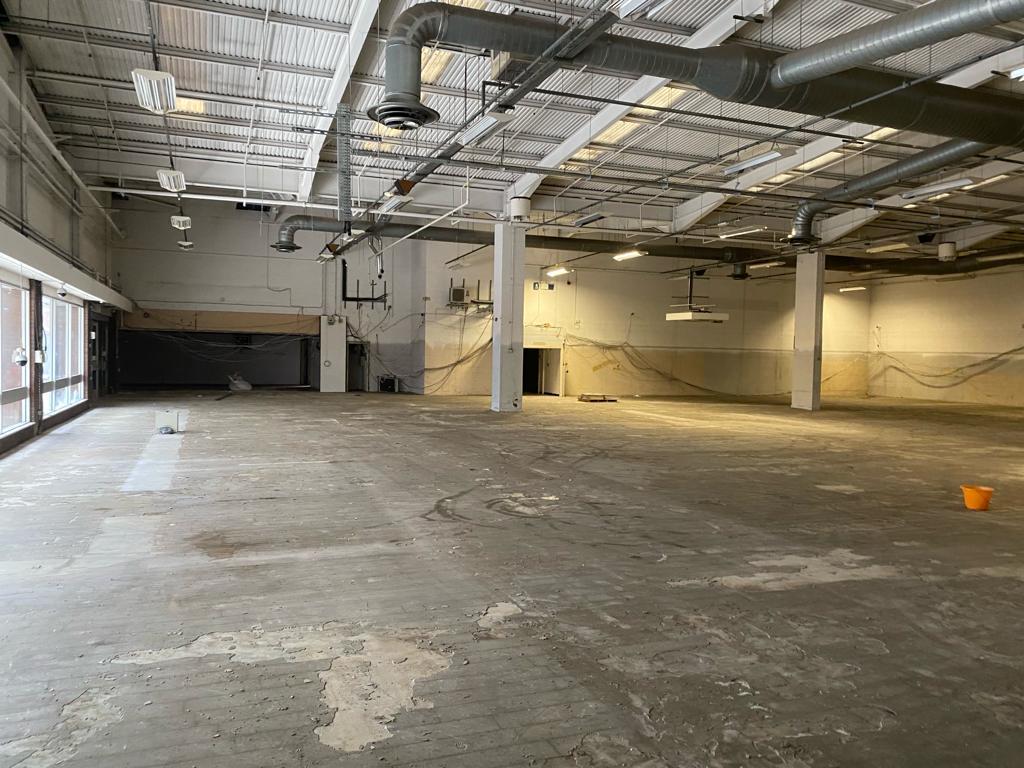
Quick answer by building size
These are indicative durations for the physical strip out only, assuming a vacant building, standard access and no asbestos removal required. Read them as a starting point, not a quote.
The multi floor figure is the one worth paying attention to if you are planning a larger project. With a full team working through a building floor by floor, roughly one floor per week is a sensible planning assumption for standard commercial floor plates. It goes faster with more labour and multiple work fronts, and slower where access is restricted or the M&E is complex.
Timelines by building type
Size matters, but building type often matters more. A 10,000 sq ft warehouse and a 10,000 sq ft hospital ward are not remotely the same job.
| BUILDING TYPE | TYPICAL STRIP OUT DURATION | WHAT DRIVES THE PROGRAMME |
|---|---|---|
| Office, single floor | 1 to 4 weeks | Partitions, ceilings, raised floors and M&E. Raised access floors and dense M&E add the most time. Multi floor buildings run roughly a floor a week. |
| Retail unit | 3 days to 2 weeks | Usually quicker because shopfittings come out fast. Shopping centre units are slowed by restricted delivery windows and out of hours only working. |
| Warehouse or industrial | 1 to 6 weeks | Racking and mezzanine removal is quick per square foot. Machinery decommissioning, overhead cranes and contaminated flooring are what add weeks. |
| Restaurant or commercial kitchen | 1 to 3 weeks | Small footprint but heavy on extraction, grease ducting, gas isolation and drainage. Specialist disconnections drive the programme more than floor area. |
| School or education | 4 to 6 weeks | Almost always constrained to the summer holiday window. The date is fixed and immovable, so the programme is built backwards from term start. |
| Healthcare, live environment | Highly variable | Physical works may be short but infection control, phased decanting and out of hours restrictions can triple the calendar duration. |
| Lease surrender or dilapidations | 3 to 5 weeks | Strip out plus making good plus redecoration. The making good and redecoration usually take as long as the strip out itself. |
The part people forget: what happens before site
Here is the thing that catches most people out. The strip out itself is rarely the long pole. What sits in front of it usually is, and it is entirely predictable if you plan for it.
Site survey and quotation
3 TO 10 DAYSA contractor visits, walks the space and prices the works. Straightforward jobs turn around inside a week. Larger or more complex buildings take longer, particularly where the M&E needs a specialist look or where the scope is not yet fully defined by the client.
Asbestos R&D survey
1 TO 3 WEEKSA Refurbishment and Demolition asbestos survey is a legal requirement before strip out in any building where asbestos may be present, which in practice means anything built or refurbished before 2000. Booking the surveyor, carrying out the intrusive survey and waiting for lab analysis and the written report typically takes one to three weeks. This cannot be skipped and it cannot run alongside the strip out.
Asbestos removal, if required
1 TO 4 WEEKSIf the survey finds licensed asbestos, a licensed removal contractor has to be appointed. Licensed work requires 14 days written notification to the HSE before it starts, and that notice period is fixed. Add the removal itself and the air clearance testing afterwards, and this phase alone can add a month to the programme. This is the single biggest cause of strip out delays.
Service isolations and disconnections
1 TO 3 WEEKSElectrical, gas and water supplies need formal isolation before strip out begins. Where supplies are being permanently disconnected rather than just isolated, utility providers set their own lead times and those are outside your control. Gas disconnections in particular can take several weeks to schedule. Start this early.
CDM setup and mobilisation
3 DAYS TO 2 WEEKSRisk assessments and method statements prepared and approved, Construction Phase Plan issued, F10 notification submitted to the HSE if the project is notifiable, permits and access arrangements agreed with the building manager, and welfare and site protection installed. On a simple project this is a few days. On a managed building with a formal contractor approval process it can be a fortnight.
What actually makes a strip out take longer
Two buildings of identical size can have wildly different programmes. These are the factors that make the difference, roughly in order of how much time they add.
Asbestos
By far the biggest single variable. A clean survey means no delay at all. Licensed asbestos means a 14 day HSE notification period plus removal plus clearance testing before strip out can even start in that area.
ADDS 3 TO 5 WEEKSOccupied or live buildings
Working around staff, patients, residents or trading tenants means restricted hours, phased zones and dust and noise controls. The same works can take two or three times as long in calendar terms.
DOUBLES OR TRIPLES DURATIONAccess and logistics
Upper floors with one small goods lift, restricted loading bay slots, city centre locations with no skip space. Waste removal becomes the bottleneck rather than the strip out itself.
ADDS 30 TO 50%Out of hours restrictions
Managed buildings, shopping centres and live healthcare sites often restrict noisy works to evenings and weekends. A five day job becomes a three week job on a two hour nightly window.
ADDS 50 TO 200%M&E complexity
A simple office with basic lighting and power strips quickly. Dense M&E with comms rooms, specialist ventilation, chilled beams or process equipment takes considerably longer to isolate and remove safely.
ADDS 1 TO 2 WEEKSStructural elements
Removing mezzanines, structural walls or floor slabs moves the job from strip out into demolition territory. That means engineer involvement, temporary works design and Building Regulations approval.
ADDS 2 TO 6 WEEKSListed building status
Listed Building Consent has a statutory decision period of around 8 weeks and must be obtained before works start. This runs entirely in front of the programme and cannot be compressed.
ADDS 8 TO 12 WEEKSScope changes mid project
Deciding to remove something extra once the team is on site sounds efficient but usually is not. It means revised method statements, possible new surveys and waste stream changes.
VARIES, OFTEN DAYSWhat happens during the strip out itself
The site works follow a fairly consistent sequence regardless of building type. Understanding it helps you see where your project sits at any point.
- Site setup, day one. Welfare facilities, protection to lifts, floors and retained finishes, hoarding or screening, waste routes established and signage in place.
- Soft strip first. Furniture, loose fittings, floor coverings, wall coverings and anything that comes out without tools. This is the fastest phase and clears the way for everything else.
- Ceilings and partitions. Suspended ceiling grid and tiles, then partition walls. This is where most of the waste volume comes from and where skip logistics start to govern the pace.
- M&E strip. Lighting, containment, cabling, ductwork, pipework and terminal units. Requires proper isolation certification before it starts. Usually the slowest phase in an office.
- Raised floors and screed. Raised access floor panels and pedestals lift quickly but generate significant volume. Any adhesive residue or screed removal underneath adds time.
- Making good. Patching, filling, fire stopping reinstatement and preparing surfaces. Frequently underestimated, particularly on dilapidations projects.
- Final clean and handover. Sweep clean or better depending on the specification, waste transfer documentation issued, and a joint inspection with the client or surveyor.
Questions we get asked a lot
Planning your programme
If you take one thing from this, make it this: plan backwards from your fixed date, not forwards from today. Whether that date is a lease expiry, a term start, a fit out contractor mobilising or a tenant moving in, work back through making good, strip out, mobilisation, asbestos removal, surveys and quotation. Then add contingency, because something will take longer than expected.
The physical strip out is the predictable bit. A good contractor will give you an accurate duration for site works after a proper survey and they should hold to it. What you cannot control as easily is what sits in front, and that is exactly where the time gets lost when projects run late.
- Commission the asbestos survey first, before anything else
- Start utility disconnection requests early because their lead times are not yours to control
- Ask any contractor whether their quoted programme includes surveys and mobilisation or just site works
- Build in contingency for asbestos found during the works
- On dilapidations projects, budget time for making good and redecoration separately from the strip out
Need a realistic programme for your project?
We survey the space, tell you honestly how long it will take including the front end, and give you a fixed price. London and the South East.
Recent Blogs
- The Complete Guide to Commercial Strip Out Projects in the UK
- Who Is Responsible If Something Goes Wrong During a Strip Out?
- Strip Out Costs: What Actually Drives the Price and Why Quotes Vary So Much
- CAT A vs CAT B: What They Mean and Why It Matters for Your Strip Out
- How Long Does a Strip Out Take?