End of Lease Strip Out: What Landlords Expect Before Handover
June 23, 2026
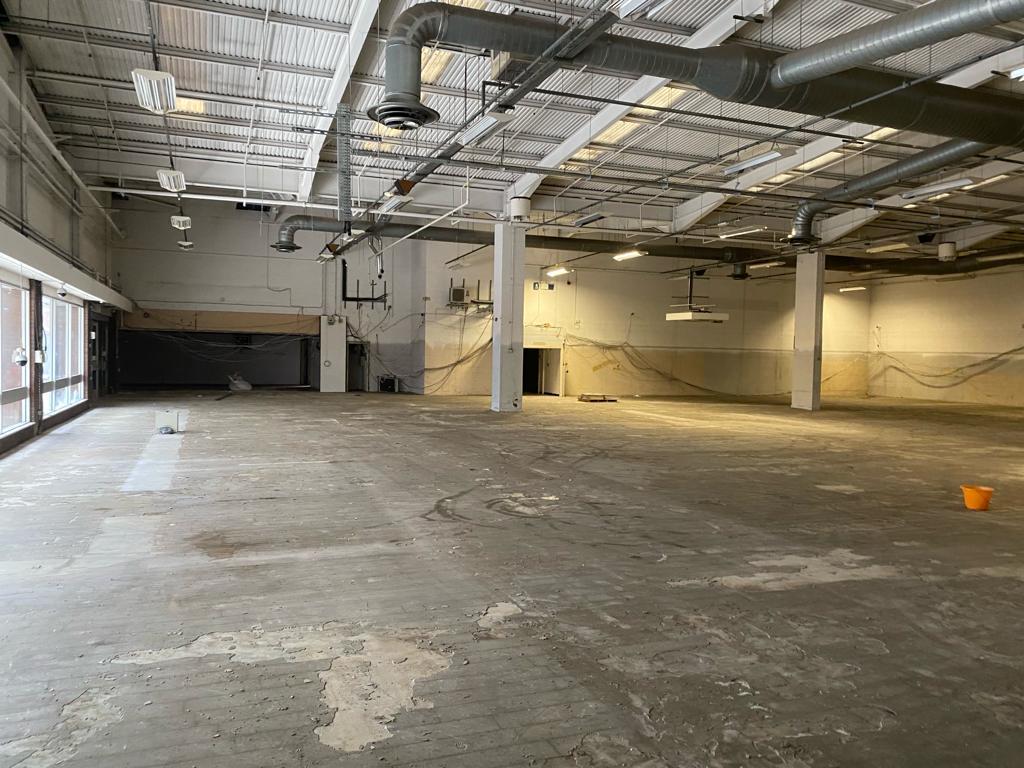
For many businesses, the end of a commercial lease can arrive surprisingly quickly. One moment you're planning an office move or relocating a retail operation, and the next you're faced with a schedule of obligations that must be completed before the keys can be handed back.
One of the most significant of those obligations is often the strip out and reinstatement of the property.
While many tenants assume they simply need to remove their furniture and vacate the premises, commercial leases often require a far greater level of work. Landlords frequently expect tenants to remove alterations, dismantle fit-outs, disconnect services, and return the property to an agreed condition before the lease expires.
Failing to understand these requirements can lead to disputes, financial claims, and costly delays. Understanding what landlords typically expect and planning ahead can make the difference between a smooth handover and an expensive problem.
What Is an End of Lease Strip Out?
An end of lease strip out is the process of removing tenant-installed elements from a commercial property before it is returned to the landlord.
Over the course of a tenancy, businesses often make changes to suit their operational requirements. Office occupiers create meeting rooms and breakout spaces. Retailers install shop fittings and branded displays. Industrial occupiers may add offices, racking systems, specialist services, or welfare facilities.
These alterations may have improved the space for the current occupier, but they are not always beneficial to the landlord or future tenants. As a result, many lease agreements contain clauses requiring the removal of these additions at the end of the tenancy.
The objective is typically to restore the property to a condition that allows the landlord to market, refurbish, or re-let the building without unnecessary delays.
Why Do Landlords Require Reinstatement Works?
From a landlord's perspective, flexibility is extremely valuable.
A highly customised office designed around one company's requirements may not appeal to the next occupier. Likewise, a retail unit fitted out for a specific brand may require significant alterations before another retailer can move in.
By requiring tenants to reinstate the property, landlords can regain control of the space and prepare it for the next phase of occupation.
In many cases, landlords prefer to receive a property stripped back to a more neutral condition. This allows them to refurbish the space, undertake improvement works, or offer a blank canvas to prospective tenants.
It also reduces the risk of inheriting poorly installed alterations or systems that may create future maintenance issues.
Understanding Dilapidations and Lease Obligations
One of the biggest misconceptions surrounding end of lease strip out projects is that they are solely a construction matter.
In reality, they are often closely linked to dilapidations.
Dilapidations refer to breaches of lease obligations relating to the condition of the property. As a lease approaches expiry, landlords will often appoint surveyors to inspect the building and prepare a Schedule of Dilapidations.
This document identifies works that the tenant may be responsible for carrying out before handover.
These requirements can extend beyond simple repairs and maintenance. They may include the removal of tenant alterations, reinstatement of original layouts, replacement of damaged finishes, and the disconnection of services.
Every lease is different, which is why it is important to review obligations carefully rather than making assumptions about what is required.
What Landlords Commonly Expect to Be Removed
Although every property is unique, certain elements frequently appear within end of lease strip out projects.
Office occupiers are often required to remove partitioned meeting rooms, glazed systems, suspended ceilings, raised access flooring, kitchens, reception desks, and bespoke joinery.
Retail tenants may need to remove shop fittings, display systems, signage, counters, changing rooms, and specialist lighting installations.
Industrial occupiers are commonly required to remove mezzanine structures, internal offices, racking systems, plant installations, and ancillary services.
The extent of the strip out will depend on the lease agreement, any licences for alterations, and discussions with the landlord during the tenancy.
Why Early Planning Matters
One of the most expensive mistakes tenants make is leaving strip out planning until the final weeks of the lease.
Many businesses focus on relocation, staffing, and operational changes while underestimating the amount of work required to return a property.
By the time the lease end date approaches, there is often limited time available to obtain quotations, carry out surveys, secure approvals, and complete the works themselves.
Starting the process several months in advance creates far more flexibility.
It allows time to review lease documentation, understand landlord expectations, obtain professional advice where necessary, and programme works properly.
Early planning also provides an opportunity to identify potential risks before they affect the project.
Common Challenges During End of Lease Strip Out Projects
No two strip out projects are identical, but certain challenges appear repeatedly across commercial properties.
Access restrictions are often a major factor. Many office buildings have strict rules governing working hours, loading bays, lift usage, and waste removal. Retail units located within shopping centres frequently have similar requirements.
Older buildings can present additional complications. Services may have been modified several times over the years, and drawings are not always accurate. Discovering undocumented electrical systems, redundant pipework, or hidden installations can affect both programme and cost.
Asbestos is another consideration, particularly in older commercial buildings. Appropriate surveys should always be carried out before intrusive works begin.
Communication can also become an issue if expectations between landlord and tenant are not clearly understood from the outset. What one party considers acceptable may differ significantly from what the other expects to receive at handover.
How to Achieve a Successful Handover
The most successful end of lease projects tend to have one thing in common: preparation.
Businesses that review their obligations early, understand the scope of reinstatement works, and engage experienced contractors generally experience a much smoother process.
Rather than treating strip out as a last-minute requirement, it should be viewed as an important part of the wider lease exit strategy.
A well-planned strip out project not only helps satisfy landlord requirements but also reduces the likelihood of disputes, delays, and unexpected financial claims.
Final Thoughts
End of lease strip out projects are about far more than simply emptying a building. They involve understanding lease obligations, managing reinstatement requirements, coordinating access, and delivering works that satisfy both the tenant and landlord.
Every commercial property is different, and every lease contains its own requirements. For that reason, there is no universal approach to end of lease strip out works.
However, one principle remains consistent across almost every project. The earlier you start planning, the easier the process becomes.
By understanding landlord expectations and addressing strip out requirements proactively, tenants can achieve a smoother handover, minimise risk, and avoid unnecessary costs at the end of their lease.
Recent Blogs
- The Complete Guide to Commercial Strip Out Projects in the UK
- Who Is Responsible If Something Goes Wrong During a Strip Out?
- Strip Out Costs: What Actually Drives the Price and Why Quotes Vary So Much
- CAT A vs CAT B: What They Mean and Why It Matters for Your Strip Out
- How Long Does a Strip Out Take?