Do you need planning permission for a strip out?
June 5, 2026
One of the most common questions we hear from clients at the start of a project is:
"Do I need planning permission before carrying out a strip out?"
The answer depends on the scope of the works, the type of building, and what you're ultimately planning to do with the property. In many cases, a standard strip out project can proceed without planning permission. However, there are important exceptions that property owners, landlords, tenants, and developers should understand before work begins.
In this guide, we'll explain when planning permission is required, when it isn't, and what other approvals you may need before carrying out strip out works.
What Is a Strip Out Project?
A strip out project involves removing non-structural elements from a building to prepare it for refurbishment, fit-out, redevelopment, or a change of use.
Typical strip out works include:
-
Internal partitions
-
Suspended ceilings
-
Floor finishes
-
Mechanical and electrical services
-
Fixtures and fittings
-
Kitchens and welfare areas
-
Built-in joinery and storage
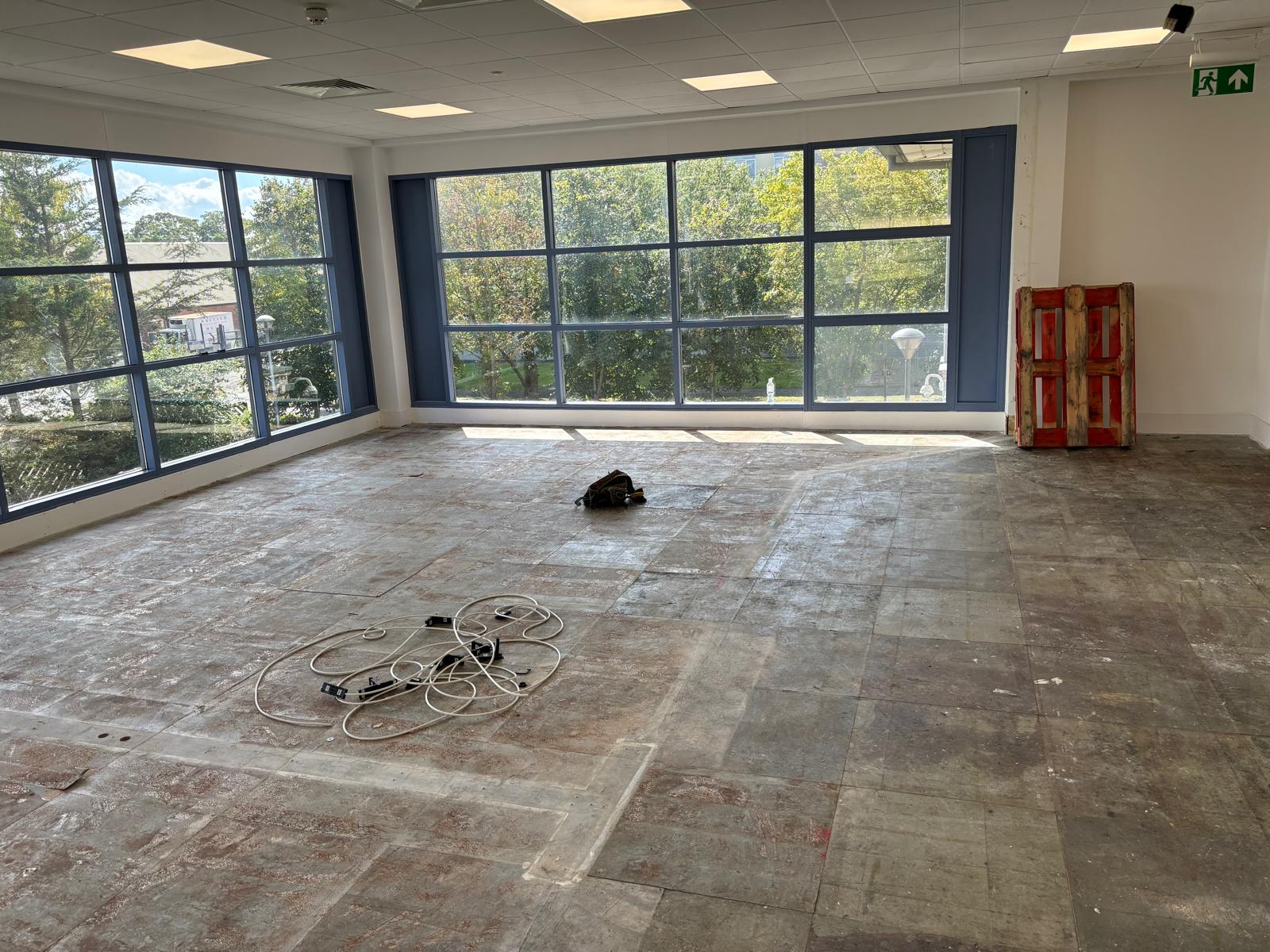
The objective is usually to return the building to a shell condition ready for the next phase of construction.
In Most Cases, Planning Permission Is Not Required
If you're simply removing internal non-structural elements and not altering the external appearance or structure of the building, planning permission is generally not required.
For example:
-
Removing office partitions
-
Stripping out a retail unit
-
Removing suspended ceilings
-
Taking out floor coverings
-
Removing redundant services
These types of works are typically considered internal alterations and fall outside the planning process.
However, that doesn't mean you can start work without carrying out the appropriate checks.
When Planning Permission May Be Required
There are situations where planning permission could become necessary.
1. Listed Buildings
If the building is listed, even internal alterations may require Listed Building Consent.
This is because features inside the property may have historic or architectural significance.
Removing internal walls, fixtures, or original features without approval can result in enforcement action and significant delays.
If you're working within a listed building, it's essential to seek professional advice before any strip out works begin.
2. Structural Alterations
Soft strip demolition focuses on non-structural elements, but some projects progress into structural demolition or reconfiguration.
Planning permission may be required if works involve:
-
Removing load-bearing walls
-
Altering the building structure
-
Extending the property
-
Changing the building's external appearance
In these situations, planning and building control requirements should be reviewed before works commence.
3. Change of Use Projects
Many strip out projects form part of a wider redevelopment scheme.
If the end goal is changing the use of the building, planning permission may be required regardless of whether the strip out itself needs consent.
Examples include:
-
Office to residential conversions
-
Warehouse to mixed-use developments
-
Retail units becoming restaurants or leisure spaces
The strip out works may not require permission, but the overall development could.
Planning Permission vs Building Regulations
One of the most common misunderstandings is confusing planning permission with Building Regulations approval.
They are not the same thing.
Planning Permission
Planning permission focuses on how land and buildings are used and how developments affect the surrounding area.
Building Regulations
Building Regulations focus on safety, structural integrity, fire protection, accessibility, and compliance standards.
Even if planning permission isn't required, Building Regulations approval may still apply to later stages of the project.
Other Approvals You May Need
Before a strip out project begins, it's important to consider other requirements that may apply.
Asbestos Surveys
A Refurbishment and Demolition Asbestos Survey should be completed before intrusive strip out works begin.
Landlord Consent
If you're a tenant, your lease may require landlord approval before alterations or reinstatement works take place.
Building Management Approval
Many office buildings, shopping centres, and multi-occupied properties require approval for:
-
Access arrangements
-
Waste removal
-
Working hours
-
Logistics planning
Party Wall Considerations
Where structural works follow a strip out project, Party Wall matters may need to be addressed.
How to Avoid Problems Before Starting Work
The best approach is to review the project properly before work begins.
This typically involves:
-
Understanding the building's status
-
Reviewing lease obligations
-
Identifying any planning constraints
-
Completing required surveys
-
Confirming access and building management requirements
Taking these steps early helps avoid delays, unexpected costs, and compliance issues later in the programme.
Final Thoughts
For most commercial strip out projects, planning permission is not required because the works involve removing non-structural internal elements.
However, there are important exceptions, particularly where listed buildings, structural alterations, or wider redevelopment plans are involved.
The safest approach is always to assess the building and project requirements before work begins. A little planning at the start can prevent significant delays further down the line.
Speak to Our Team
If you're planning a strip out project and aren't sure what approvals may be required, we're happy to discuss your project and help you understand the next steps before works commence.
Recent Blogs
- The Complete Guide to Commercial Strip Out Projects in the UK
- Who Is Responsible If Something Goes Wrong During a Strip Out?
- Strip Out Costs: What Actually Drives the Price and Why Quotes Vary So Much
- CAT A vs CAT B: What They Mean and Why It Matters for Your Strip Out
- How Long Does a Strip Out Take?