Lease Surrender Strip Out: What Tenants Actually Need to Do
July 21, 2026
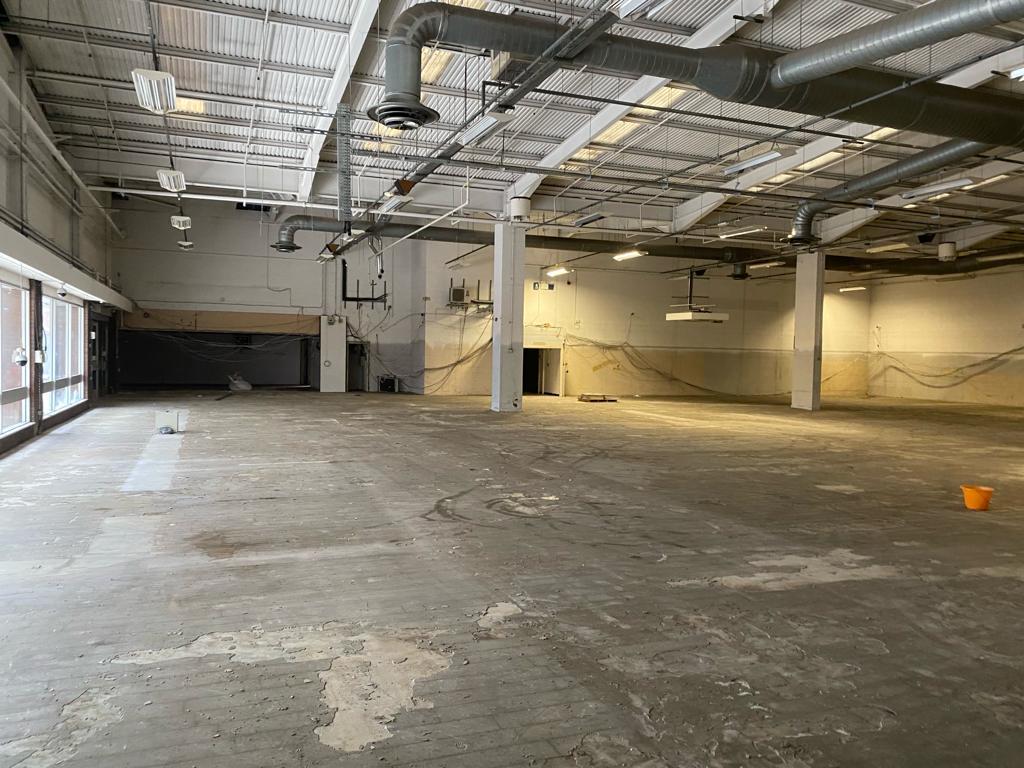
What is a lease surrender strip out?
A lease surrender strip out is the process of clearing and reinstating a commercial property before handing it back to the landlord at the end of a lease. It differs from a standard commercial strip out in one important way. The scope of the works is not defined by what you want to do next. It is defined by what your lease says you have to do.
Commercial leases typically contain obligations around repair, redecoration and reinstatement. Reinstatement means returning the building to the condition it was in before you moved in, which usually means removing the fit out you installed. How far that obligation extends depends entirely on the specific wording of your lease and any licences for alterations you signed during the tenancy.
The financial stakes are real. If a tenant fails to carry out the required works, the landlord can issue a Schedule of Dilapidations and pursue a claim for the cost of the works plus loss of rent during the period it would have taken to carry them out. Landlord instructed contractors are rarely the cheapest option, and by the time the claim arrives you have lost all control over the programme and the cost.
What your lease actually requires
No two leases are identical. But most commercial leases in the UK impose obligations in three areas, and all three are relevant to a lease surrender strip out.
Repair
Most leases contain a covenant to keep the premises in good repair or good and substantial repair. This is not about the condition you received the property in. It is about the standard of repair at the end of the term. Depending on the wording, this can require you to make good any disrepair that accumulated during the tenancy. Fair wear and tear is typically excepted, but the scope of what qualifies is narrower than most tenants assume, particularly on longer leases.
Redecoration
Most leases require redecoration at specified intervals during the tenancy and again in the final year of the term. The obligation is usually absolute, meaning it applies even if the existing decoration looks fine. Tenants who miss the final year redecoration cycle create an easy and legitimate claim for the landlord. It is one of the simplest obligations to satisfy and one of the most consistently overlooked.
Reinstatement
This is where the strip out comes in. If you carried out any alterations during the tenancy you almost certainly needed a Licence for Alterations from the landlord. That licence will specify whether you are required to remove those alterations at the end of the lease or whether you can leave them in place. Many tenants either cannot find their licence for alterations or have not actually read what it says. Find it and read it before you plan anything.
Do the works yourself or negotiate a settlement?
When a lease is approaching its end, tenants face a real choice. You can carry out the required works before handing back, or you can negotiate a financial settlement with the landlord instead. There is no universally right answer. It depends on the situation. But understanding what drives the decision matters.
The case for doing the works yourself
If the landlord intends to re-let the property without significant refurbishment, and the required works are well defined and reasonably priced, doing the strip out and reinstatement yourself is almost always cheaper than paying a settlement based on the landlord's own quotes. You control the programme, you control the cost, and you hand back a property that meets your obligations cleanly.
DOING THE WORKS YOURSELF
- You control the contractor and the cost
- Typically 30 to 50% cheaper than landlord contractor rates
- Clean handover with no outstanding liability
- Avoids prolonged post-lease negotiation
- Demonstrates good faith if you have an ongoing relationship with the landlord
NEGOTIATING A SETTLEMENT
- Better when the landlord plans to refurbish anyway
- Avoids disruption in the final months of occupation
- Can result in a lower payment if a Section 18 valuation is obtained
- Useful when the scope of required works is genuinely unclear
- The right call if the building is shortly to be demolished or structurally altered
The Section 18 cap most tenants never use
This is one of the most important protections available to commercial tenants and one of the least used. Section 18(1) of the Landlord and Tenant Act 1927 limits the damages a landlord can claim for breach of a repairing covenant to the amount by which the value of their interest in the property has actually fallen as a result of the disrepair. This is called the diminution in value.
In plain terms: if the cost of the works is £100,000 but the actual reduction in the value of the landlord's interest is only £60,000, the maximum claimable is £60,000. Not the cost of the works. The landlord will not tell you this. It is the tenant's responsibility to obtain a Section 18 valuation from a chartered surveyor and use it in negotiations.
The second limb of Section 18 goes further. If the landlord intends to demolish or make substantial structural alterations to the building shortly after the lease ends, no damages can be recovered for repairs that those works would render pointless. If your landlord has planning permission for redevelopment or has indicated refurbishment plans, explore this with a surveyor before paying anything.
What the strip out actually involves
The scope of the strip out depends on what you installed during the tenancy and what your lease and licence for alterations requires you to remove. In a typical commercial office or retail tenancy the works fall into a few clear categories.
Reinstatement of alterations
Everything installed during the tenancy that the licence or the lease requires to be removed:
- Partition walls and glazed screens installed during the tenancy
- Raised access floors if not present at the start of the lease
- Suspended ceiling systems including grid and tiles
- Additional mechanical and electrical services including lighting, power, data, air conditioning and ventilation
- Specialist fit out elements such as server rooms, reception desks, kitchenettes and shower facilities
- Mezzanine floors or structural platforms installed by the tenant
- Signage, branding or applied finishes not part of the original building
Making good
Once alterations are removed, the surfaces beneath need to be made good to the standard required by the lease:
- Patching and making good floor slab where raised floor pedestals have been removed
- Filling and making good walls after partition removal, including patch plastering, skim and prime
- Making good ceilings after suspended ceiling removal
- Capping off or reinstating M&E services to the original base build specification
- Making good any penetrations through walls, floors or ceilings made during the tenancy
- Fire stopping on all service penetrations using intumescent materials
Redecoration
The final step before handover. Repainting walls, ceilings and joinery to the standard required by the lease, typically two full coats of a neutral colour throughout. Landlords inspect and reject redecoration done poorly or to the wrong specification. Redoing it after handover is a common and avoidable source of disputes.
Waste removal
All strip out waste must be removed from site and disposed of legally. Waste Transfer Notes must be provided for all waste streams. Leaving waste in the building is a breach of the lease and will be charged back by the landlord at commercial clearance rates.
From lease end planning to handover: a realistic timeline
The biggest mistake tenants make is starting this process too late. There are more moving parts than most people expect. Finding the licence for alterations, appointing a surveyor and getting quotes all take time you will not have if you leave it until the final few weeks.
Read the lease and find the licence for alterations
Pull out the lease and every licence for alterations signed during the tenancy. Identify your repair, redecoration and reinstatement obligations. If you cannot find the licence for alterations, request a copy from the landlord's solicitor now and not later.
Appoint a dilapidations surveyor
Appoint a RICS accredited building surveyor experienced in commercial dilapidations. They will review your obligations, carry out a dilapidations assessment and advise on your position relative to what the landlord is likely to claim. This is the most valuable thing you can do at this stage and it almost always pays for itself.
Decide whether to do the works or settle
With your surveyor's advice, decide whether to carry out the works before handover or negotiate a financial settlement. If the landlord has indicated plans for refurbishment or redevelopment, explore the Section 18 position now. If you are doing the works, start getting contractor quotes and building a programme.
Appoint your contractor and finalise scope
Appoint your strip out contractor. Agree the scope in detail with your surveyor and make sure it covers all reinstatement, making good and redecoration obligations. Commission an asbestos R&D survey of the areas to be stripped. Get the landlord's written consent for any works that require it under the lease.
Carry out the strip out and reinstatement works
Strip out proceeds according to the agreed programme. Keep your surveyor involved. They should inspect during and after the works to confirm the standard before handover. Snagging issues are far easier to deal with before the keys go back than after.
Handover and vacant possession
Hand back the keys with the property in lease compliant condition. Retain all documentation including waste transfer notes, contractor invoices, surveyor sign off and before and after photographs. If the landlord raises issues later, this is your evidence.
Respond to any Schedule of Dilapidations
The landlord may still serve a Schedule of Dilapidations after handover even if you carried out works. Respond within the 56 day window required by the RICS Dilapidations Protocol. Your surveyor handles this and negotiates any residual items. Having done the works properly and being able to prove it puts you in a strong position.
The most common mistakes tenants make
Most dilapidations disputes come down to the same handful of things going wrong. These are the ones that consistently cause problems.
- Leaving it too late. Starting six weeks before lease end instead of twelve months means rushed decisions, rushed appointments and no time to negotiate properly. The landlord's surveyor knows this and prices accordingly.
- Not reading the licence for alterations. Assuming you can leave something in or take something out without checking what the licence actually says. Some require full reinstatement. Others permit the tenant to leave alterations in place. Getting this wrong in either direction is expensive.
- Missing the final year redecoration. Most leases require redecoration in the last year of the term. Moving out with decoration done three years ago gives the landlord a legitimate and easy claim.
- Leaving waste in the building. Landlords charge commercial clearance rates for removal, which are always higher than managing it during your own strip out programme.
- Not getting a Section 18 valuation when it matters. Accepting the landlord's claim at face value without checking whether the statutory cap applies. On larger claims this can make a significant difference to the outcome.
- No documentation. Works were done but there are no photographs, no invoices and no surveyor sign off. When the landlord queries something post handover, there is nothing to point to.
- Poor making good. The strip out is done but patching walls, filling floor penetrations and reinstating fire stopping is done to a poor standard. This creates legitimate follow on claims and undermines the credibility of everything else you have done.
What landlords typically claim for and how to challenge it
When a landlord serves a Schedule of Dilapidations it usually goes further than the tenant expects. Understanding the standard structure helps you push back effectively.
| ITEM TYPICALLY CLAIMED | WHO IS USUALLY LIABLE | HOW TO CHALLENGE IT |
|---|---|---|
| Reinstatement of tenant alterations | Tenant | Check the licence for alterations. Does it specifically require reinstatement? If not, the obligation may not exist. |
| Repair of fabric damage | Tenant | Check the Schedule of Condition. The fair wear and tear exception may apply. Dispute items that reflect normal use rather than actual damage. |
| Redecoration | Tenant | If decoration was completed in the final year and is in good condition, challenge it with photographic evidence from handover. |
| M&E servicing and compliance | Depends on lease | Check whether the lease actually imposes servicing obligations on the tenant. Not all leases do. |
| Loss of rent during works | Landlord claim | Only claimable if the property was genuinely unlettable due to disrepair. Challenge with evidence the property could have been re-let during that period. |
| Professional fees | Landlord claim | Claimable in principle but must be proportionate to the claim. Excessive fees can be challenged. |
| VAT on claimed works | Complex | Depends on whether the landlord has opted to tax the property. If not, VAT may not be recoverable and should not be claimed. |
Questions we get asked a lot
The key points
Lease end is the point where not reading your lease properly, or not starting early enough, becomes very expensive very quickly. The tenants who come out of dilapidations well are the ones who start twelve months out, get a surveyor involved early and understand their actual obligations rather than what they assumed those obligations to be.
A lease surrender strip out is not complicated when it is planned properly. The scope is defined by the lease and the licence for alterations. The programme is defined by the lease end date and the time needed to do the works to the required standard. The cost is something you can control, but only if you are the one appointing the contractor.
- Start twelve months out and not six weeks
- Find your licence for alterations before planning anything
- Appoint a dilapidations surveyor early
- Get contractor quotes and build a realistic programme
- Do the redecoration in the final year of the lease as required
- Document everything before, during and after the works
- If the claim arrives, respond within 56 days with your surveyor's counter position
Approaching lease end on a commercial property?
We carry out lease surrender strip outs and reinstatement works across London and the South East. We work alongside dilapidations surveyors and can help you define the scope from day one