How Long Does a Commercial Strip Out Project Take? A Realistic Timeline
July 6, 2026
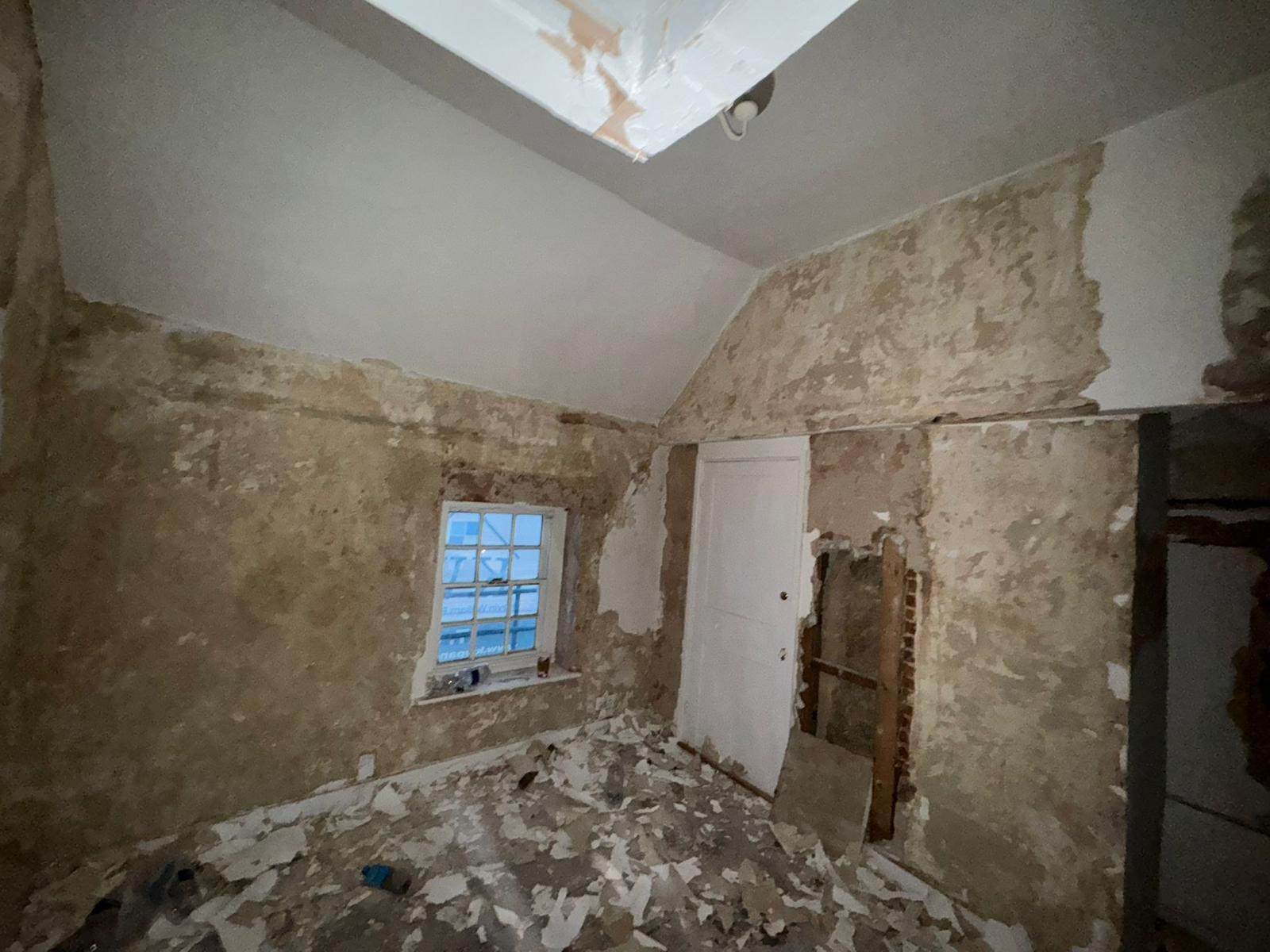
Once you've decided to refurbish, redevelop, or reconfigure a commercial property, one of the first questions is usually, "How long will the strip out take?"
It's a sensible question, but there isn't a single answer.
Every strip out project is different. An empty office floor in a modern building can often be completed much faster than an occupied healthcare facility or a warehouse containing heavy machinery and specialist services.
The most important point to understand is that a successful strip out project isn't simply about removing materials as quickly as possible. It's about carrying out the work safely, efficiently, and in a way that allows the next phase of construction to begin without delay.
In this guide, we'll look at the factors that influence programme durations and explain what clients should expect when planning a commercial strip out project.
Why There Isn't a Standard Programme
Strip out projects are influenced by far more than the size of the building.
Two office floors with identical square footage can have completely different programmes depending on access arrangements, the amount of internal fit-out, working hours, waste logistics, and whether the building remains occupied.
Rather than focusing purely on floor area, experienced contractors assess the complexity of the project before producing a realistic programme.
Typical Strip Out Timescales
Although every project is unique, the following timescales provide a useful guide.
A small retail unit may require only a few days if the scope is limited to removing shop fittings, ceilings, flooring, and tenant installations.
A medium-sized office floor generally takes between one and three weeks depending on the amount of partitioning, mechanical and electrical services, and landlord reinstatement requirements.
Larger office buildings are often completed in phases over several weeks, particularly where multiple floors remain occupied throughout the programme.
Warehouse strip out projects can vary considerably. A straightforward clearance of offices and services may take only a couple of weeks, while buildings containing mezzanines, production equipment, racking systems, or specialist plant can require substantially longer.
Healthcare and education projects frequently operate to phased programmes, allowing parts of the building to remain operational while work progresses elsewhere.
What Has the Biggest Impact on Programme?
Building Occupancy
An empty building can usually be stripped out much more efficiently than one that remains occupied.
Live environments often require phased working, additional protection, restricted working hours, and closer coordination with building management.
These measures are essential for safety but inevitably influence programme durations.
Access Restrictions
In many commercial buildings, particularly in central London, access is one of the biggest factors affecting productivity.
Limited loading bays, shared service yards, booking systems for goods lifts, and restrictions on vehicle movements all influence how quickly waste can be removed from site.
The strip out itself may progress well, but poor logistics can slow the overall programme considerably.
Scope of Works
Removing lightweight partitions and suspended ceilings is very different from dismantling mezzanine structures or decommissioning industrial services.
The greater the amount of specialist work involved, the longer the programme is likely to be.
Projects involving significant mechanical and electrical strip out also require careful coordination to ensure services are isolated safely before removal begins.
Surveys and Pre-Construction Planning
Unexpected discoveries are one of the most common causes of delay.
Undocumented services, asbestos-containing materials, structural alterations from previous refurbishments, and incomplete drawings can all affect progress if they are identified after work has started.
Carrying out appropriate surveys before mobilisation significantly reduces these risks.
Can Strip Out Works Be Accelerated?
Clients often ask whether programmes can be shortened.
In some cases, yes.
Additional labour, extended working hours, weekend working, and carefully planned logistics can all reduce programme durations.
However, accelerating works should never compromise safety or quality.
A well-managed project completed to programme is almost always preferable to rushing work that creates problems for the next phase of construction.
Why Programme Planning Matters
Strip out is usually the first physical stage of a refurbishment or redevelopment project.
If this phase overruns, it has a direct impact on every contractor scheduled to follow.
Good programme planning helps minimise disruption, improves coordination between trades, and reduces the likelihood of costly delays further down the construction programme.
For this reason, experienced strip out contractors spend considerable time planning access, sequencing, waste management, and logistics before work begins.
Final Thoughts
There is no universal timeframe for a commercial strip out project.
The duration depends on the building, the scope of works, the level of planning completed before mobilisation, and the constraints of the site itself.
Rather than asking how quickly a strip out can be completed, it's often better to ask whether the programme is realistic.
A realistic programme, supported by good planning and experienced site management, gives clients the best opportunity to keep the wider project on schedule.
Speak to Our Team
If you're planning a commercial strip out project and would like realistic advice on programme durations, we'd be happy to review your requirements and provide guidance based on the building, the scope of works, and your proposed construction programme.
Recent Blogs
- The Complete Guide to Commercial Strip Out Projects in the UK
- Who Is Responsible If Something Goes Wrong During a Strip Out?
- Strip Out Costs: What Actually Drives the Price and Why Quotes Vary So Much
- CAT A vs CAT B: What They Mean and Why It Matters for Your Strip Out
- How Long Does a Strip Out Take?