What Can Go Wrong During a Strip Out Project And How to Avoid It
April 15, 2026
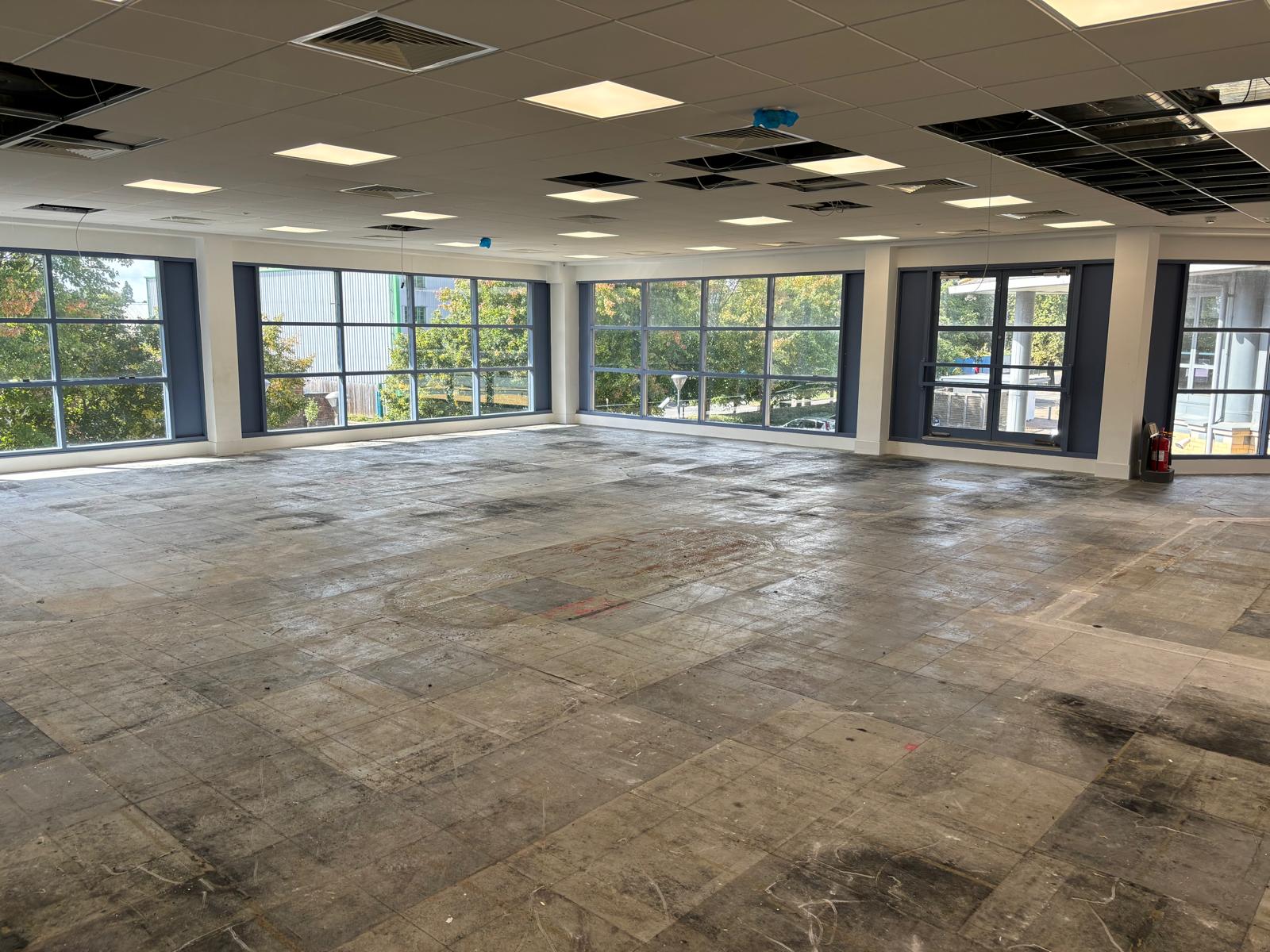
On paper, a strip out project can look straightforward — remove the internal elements, clear the space, and hand it over ready for the next phase.
In reality, it’s rarely that simple.
From our experience working on projects across London, most issues don’t come from the physical work itself. They come from what isn’t known, planned, or coordinated properly at the start.
Here are some of the most common things that can go wrong during a strip out project — and how they can be avoided.
1. Unknown or Live Services
One of the most common issues is discovering services that weren’t identified beforehand.
This might include:
- Live electrical circuits
- Redundant pipework still connected
- Shared services running through multiple units
If these aren’t picked up early, they can cause:
- Safety risks
- Delays while systems are traced and isolated
- Disruption to other parts of the building
How to avoid it
A proper pre-start review is key. This includes checking drawings (where available), carrying out site inspections, and allowing time to trace and isolate services safely before removal begins.
2. Asbestos Discovered Mid-Project
This is one of the biggest risks on older buildings.
Even with surveys in place, asbestos-containing materials can still be uncovered once works begin.
When this happens:
- Work has to stop immediately
- Areas must be made safe
- Licensed removal may be required
This can have a significant impact on programme and cost.
How to avoid it
Ensure a refurbishment or demolition asbestos survey is carried out before strip out begins. It won’t eliminate all risk, but it reduces the chances of unexpected discoveries.
3. Access and Logistics Issues
Access is often underestimated — especially in busy parts of London.
Common problems include:
- Limited loading bays
- Restricted working hours
- Shared entrances with other tenants
- Lack of space for skips or waste storage
These issues can slow down progress and increase costs.
How to avoid it
Plan logistics early. This includes:
- Agreeing access routes
- Booking loading bays where required
- Scheduling waste movements
- Understanding building restrictions
Good planning here can make a big difference to how smoothly the project runs.
4. Working in Live Buildings
Strip out works are often carried out in buildings that are still partially occupied.
Without proper control, this can lead to:
- Complaints from tenants
- Disruption to businesses
- Safety risks in shared areas
How to avoid it
Careful phasing and communication are essential.
This might involve:
- Working out of hours
- Isolating specific areas
- Implementing dust and noise control measures
- Keeping building management informed
The key is to treat the building as a live environment, not an empty shell.
5. Poor Waste Management
Strip out projects generate a large amount of waste — and if it isn’t managed properly, it quickly becomes a problem.
Issues include:
- Build-up of materials on site
- Delays due to lack of clearance
- Increased costs from inefficient disposal
- Compliance risks
How to avoid it
Have a clear waste strategy from the start:
- Regular waste collections
- Segregation of materials
- Planned skip movements
- Working with licensed waste carriers
Keeping the site clear helps maintain both safety and progress.
6. Damage to Retained Structure
Soft strip works should leave the structural elements intact — but without care, damage can occur.
This can include:
- Cutting into structural elements
- Damaging slabs or walls
- Removing elements that were meant to be retained
How to avoid it
Clear drawings and scope definition are essential.
Site teams need to understand:
- What is being removed
- What must remain
- Where extra care is required
Experience plays a big role here.
7. Programme Delays from Poor Coordination
Strip out is often the first stage of a larger project. If it runs late, everything that follows is affected.
Delays are usually caused by:
- Lack of planning
- Unexpected issues not managed quickly
- Poor coordination with other trades
How to avoid it
Treat strip out as a critical phase, not just a quick clearance job.
This means:
- Proper programming
- Clear sequencing
- Regular communication with the wider project team
A well-managed strip out helps keep the overall project on track.
Final Thoughts
Most strip out problems aren’t caused by the work itself — they come from lack of planning, hidden risks, and poor coordination.
When approached properly, strip out should be a controlled, predictable phase that prepares the building for what comes next.
Getting this stage right can save time, reduce risk, and avoid unnecessary cost further down the line.
Speak to Us About Your Project
If you’re planning a strip out project and want to avoid common issues from the start, we’d be happy to talk through your requirements.
→ Request a quotation
→ Speak to our team
Recent Blogs
- The Complete Guide to Commercial Strip Out Projects in the UK
- Who Is Responsible If Something Goes Wrong During a Strip Out?
- Strip Out Costs: What Actually Drives the Price and Why Quotes Vary So Much
- CAT A vs CAT B: What They Mean and Why It Matters for Your Strip Out
- How Long Does a Strip Out Take?