Asbestos Removal in UK Strip-Out Works: What are the Risks & Legal Duties?
February 17, 2026
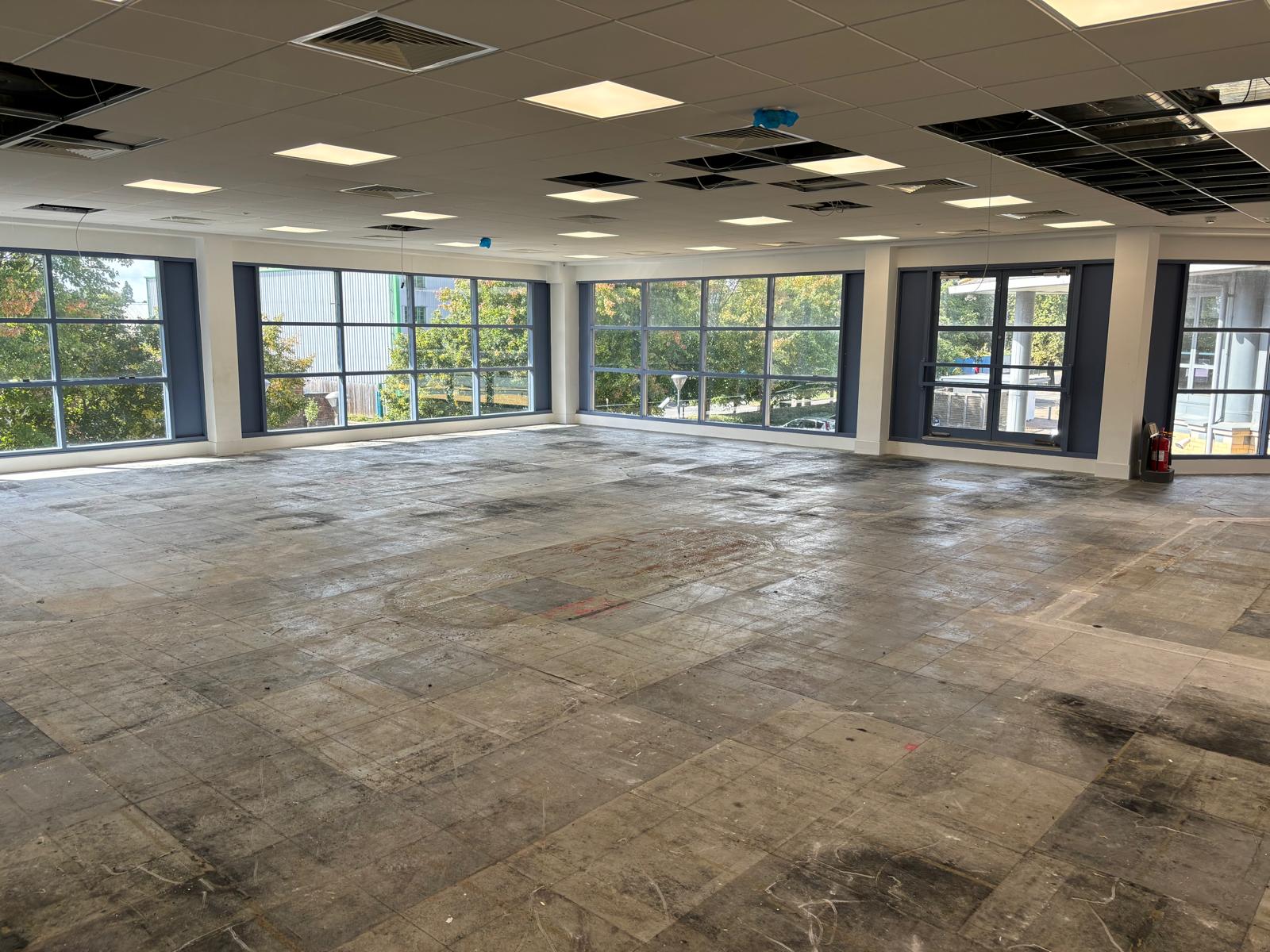
Did you know that the Health and Safety Executive estimate more than 5000 asbestos deaths occur in the UK per year? This indicates that the asbestos still poses a considerable health risk in the country.
Strip-out works (or soft stripping) involve the removal of all non-structural elements (floorings, ceilings, partitions, etc.) of a building before remodelling or renovation. Removing asbestos is necessary during strip-out because disturbed asbestos leads to serious health consequences like lung disease, skin disease, and even cancer.
If the contractor does not know the proper way to handle asbestos, it leads to a disregard for legal frameworks. In this article, we will discuss the risks and legal duties associated with asbestos removal during UK strip-outs.
Asbestos and Where You Can Find It in Buildings
Asbestos is a group of naturally occurring silicate minerals composed of long, thin fibres. Because of its top-notch strength and durability, the UK construction industry saw its extensive use. In old houses, it was used in cement, flooring, wall panels, fireproofing, etc.
What are the Health Risks of Asbestos Exposure During Strip-Out Works?
Asbestos can be dangerous when disturbed. Its fibres become airborne, and prolonged inhalation can lead to several health problems. The common health risks are asbestosis, lung cancer, mesothelioma, etc. There is no other way than to be cautious when you leave the house.
If exposed to asbestos fibres for a longer period, it can lead to breathing difficulties and localised thickening of the lungs.
Asbestos Removal: What are the Responsibilities and Regulations in the UK?
During the strip-out process, the contractor must ensure asbestos removal is carried out safely. They must identify asbestos-containing materials (ACMs) and determine a safe removal process. Moreover, it is necessary to have an asbestos management plan in place when stripping out any building in the UK built before 2000.
Strip-out contractors must ensure that asbestos is removed safely, without disturbance. Hence, the workers are to be informed about the safety precautions. In addition, all records must be kept.
The main goal is to prevent exposure and comply with the UK regulations. You will be imposed a penalty if you fail to comply with it. For example, Kent County Council was fined £200,000 in 2018 for failing to manage asbestos properly.
Importance of Surveys and Risk Assessment During Strip-Out
Surveys and risk assessments are legally required before most strip-out projects. You can opt for a management survey or remodelling or demolition survey. Surveys and risk evaluations help identify the building's structural condition and hazardous materials.
If the building was built before the year 2000, ask your conductor to conduct a survey. If you ignore conducting the survey or assessing the risks, there is a risk of asbestos exposure, which could lead to penalties or legal trouble.
Let’s see how you or the contractor can remove asbestos from your house during the strip-out work.
How to Remove Asbestos Safely During Strip-Out?
The contractor must know how to safely remove asbestos from your house. Following these steps will make it easier to remove asbestos during strip-out.
Stop the Work and Isolate the Area
As soon as you find asbestos during strip-out, stop work immediately and isolate the area. Seal the place with a thick polyethene plastic sheet.
Set up Containment and Asbestos Removal
To prevent fibre dispersion, opt for negative-pressure machines. Put a warning sign there. You can use manual tools to avoid fibre release. Don’t consider power tools. There are two ways to do it - the intact removal method and the wet method. Avoid cutting, drilling, or grinding asbestos.
Decontaminating and Cleaning Up
Ensure a separate decontamination chamber for cleaning equipment. Use vacuums for cleaning up. Avoid dry sweeping.
Disposal
Keep all the waste in a thick plastic bag (around 200 microns). Don’t put the bag in a normal bin. Make sure to transport the asbestos waste to the dedicated asbestos dumping site. Better to leave it for the licensed handlers.
Ignoring Asbestos Regulations: What are the Key Consequences?
When removing asbestos during strip-out works, compliance with the Control of Asbestos Regulations 2012 is mandatory. Nevertheless, you might face a series of consequences if you violate the law. These include:
Penalties
Legal action
Project delays
Reputation hamper
In a Nutshell
Asbestos is common in UK buildings, especially those built before 2000. Whether a limited exposure or a high level, asbestos may lead to asbestosis, lung cancer, heart disease, etc. Contractors must obey the Control of Asbestos Regulations 2012 during asbestos removal.
Looking for Strip-Out Contractor Capable of Asbestos Handling? Hire Strip Out Company Today!
At Strip Out Company, we have experts in removing asbestos from the site. So, no need to worry if we find asbestos during a strip out process, we can take care of it all without compromising the project timeline.
Recent Blogs
- The Complete Guide to Commercial Strip Out Projects in the UK
- Who Is Responsible If Something Goes Wrong During a Strip Out?
- Strip Out Costs: What Actually Drives the Price and Why Quotes Vary So Much
- CAT A vs CAT B: What They Mean and Why It Matters for Your Strip Out
- How Long Does a Strip Out Take?