Office Strip Out: What Landlords and Tenants Need to Know
January 16, 2026
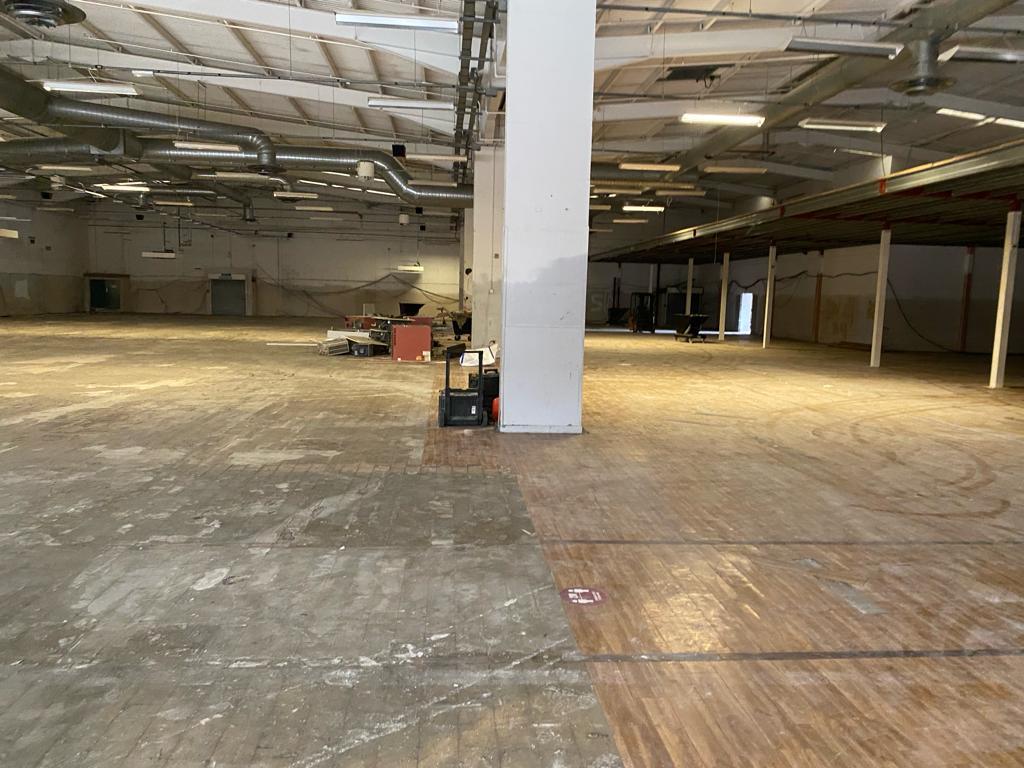
People often think office strip-out work is simple. It might look like just clearing out a space, but it is actually a key step in getting a building ready for its next use. If you do not plan it well, this stage is where delays, disagreements, or surprise costs can easily happen.
If you are a landlord getting a space ready to let again, or a tenant coming to the end of your lease, knowing how office strip-out usually works can help you avoid headaches later.
This guide comes from what we see on real projects in London every week, not just theory.
What Is an Office Strip Out (In Practical Terms)?
An office strip-out involves removing everything inside the space that isn’t part of the building’s main structure. The exact scope depends on the lease, the building's age, and what the space is being prepared for next.
In most offices, this includes:
-
Internal partitions, meeting rooms and private offices
-
Suspended ceilings and raised access floors
-
Floor finishes such as carpet tiles or vinyl.
-
Lighting, power, data and communications systems
-
Kitchens, tea points and breakout areas
-
Tenant-installed fixtures, fittings and signage
The goal is not just to clear everything out. You want to leave the space safe, up to standard, and ready for inspection, refurbishment, or handover, so there are no hidden problems later.
Who Is Responsible? Landlord vs Tenant
This is where confusion — and conflict — most often arises.
Tenant responsibilities
Most commercial leases require tenants to reinstate the space at the end of their occupation. In simple terms, that usually means removing anything that was added during the tenancy.
In practice, tenants are often responsible for:
-
Removing partitions and meeting rooms
-
Stripping out kitchens and bespoke joinery
-
Removing tenant-installed M&E services
-
Making good the damage caused during the occupation
When reinstatement works aren’t appropriately completed, landlords may raise dilapidations claims or arrange further strip-out works at the tenant’s cost.
Landlord responsibilities
Once the space has been returned, landlords typically assume responsibility for preparing it for the next tenant.
This may involve:
-
Additional strip out to achieve a CAT A condition
-
Repairs to base-build services
-
Preparing the space for marketing or refurbishment
Getting everyone to agree early on—landlords, tenants, and managing agents—helps avoid doing the same work twice and keeps costs down.
CAT A vs CAT B Strip Out – Why It Matters
It is important to know the difference between CAT A and CAT B when you are planning an office strip out.
CAT B strip out
CAT B refers to tenant-specific fit-outs. A CAT B strip-out usually involves removing:
-
Partitions and meeting rooms
-
Feature lighting
-
Joinery and bespoke finishes
-
Tenant-installed power and data
This is the most common requirement at lease end.
CAT A strip out
A CAT A strip-out goes further and prepares the space for reletting. It may include:
-
Removal of raised floors and suspended ceilings
-
Clearing all internal finishes
-
Leaving exposed or basic landlord services
CAT A works are usually arranged by the landlord once the tenant has vacated.
Why Office Strip Outs Often Run Into Trouble
Strip-out projects rarely fail because someone deliberately cut corners. More often, they fail because the scope or risks weren’t fully understood at the outset.
Some of the most common issues we encounter include:
-
Services assumed to be dead that are still alive
-
Asbestos is discovered once ceilings or walls are opened.
-
Access restrictions were not factored into the programme.
-
Noise or dust complaints in multi-let buildings
-
Incomplete reinstatement leading to disputes at handover
You can manage all of these issues if you spot them early and have an experienced strip out contractor on board.
Working in Occupied Office Buildings
In London, office strip-outs don’t always happen in empty buildings. Often, other tenants remain operational on different floors.
This requires careful planning, including:
-
Out-of-hours or phased working
-
Dust and noise control measures
-
Clear segregation of work areas
-
Managed waste removal routes
-
Ongoing communication with building management
If you do not have the right controls, disruption can quickly get out of hand.
Health, Safety and Compliance
Office strip-out works are covered by strict health and safety regulations, particularly where live services and shared buildings are involved.
A properly managed strip out will include:
-
Detailed risk assessments and method statements
-
Safe isolation of electrical, water and data services
-
CDM compliance
-
Asbestos awareness and surveys were required.
-
Dust, noise and vibration control
-
Safe waste handling and removal
These steps protect everyone in the building — not just the strip-out team.
Waste Management and Sustainability
Office strip-outs generate significant volumes of waste; how that waste is handled matters, particularly for landlords and corporate tenants with sustainability targets.
A professional strip-out contractor should:
-
Segregate waste on site.
-
Maximise recycling rates
-
Use licensed waste carriers.
-
Provide full Waste Transfer Notes.
-
Reduce landfill wherever possible.
Good waste planning also helps keep projects on programme.
Planning an Office Strip Out: What Works Best
From experience, office strip-out projects run most smoothly when:
-
Planning starts early
-
Lease obligations are clearly understood.
-
Surveys are carried out before work begins.
-
Access and logistics are agreed in advance.
-
Experienced strip-out contractors are appointed.
-
Time is allowed for unforeseen issues.
Early planning almost always reduces cost and stress later on.
How Strip Out Company Can Help
We support both landlords and tenants with office strip-out projects across London, from small single-floor offices to large multi-storey commercial buildings.
Our team delivers:
-
Complete and selective office strip-outs
-
CAT A and CAT B reinstatement works
-
Out-of-hours and phased strip-outs
-
Live-building projects
-
Fully compliant waste management
-
Clear programmes and transparent pricing
Our focus is on making the strip-out phase straightforward — so the next stage of your project can begin without delays.
Speak to Our Team
If you are planning an office strip out or want advice on reinstatement, we are happy to talk about what you need.
Recent Blogs
- The Complete Guide to Commercial Strip Out Projects in the UK
- Who Is Responsible If Something Goes Wrong During a Strip Out?
- Strip Out Costs: What Actually Drives the Price and Why Quotes Vary So Much
- CAT A vs CAT B: What They Mean and Why It Matters for Your Strip Out
- How Long Does a Strip Out Take?