How Much Does a Strip Out Cost in London?
March 16, 2026
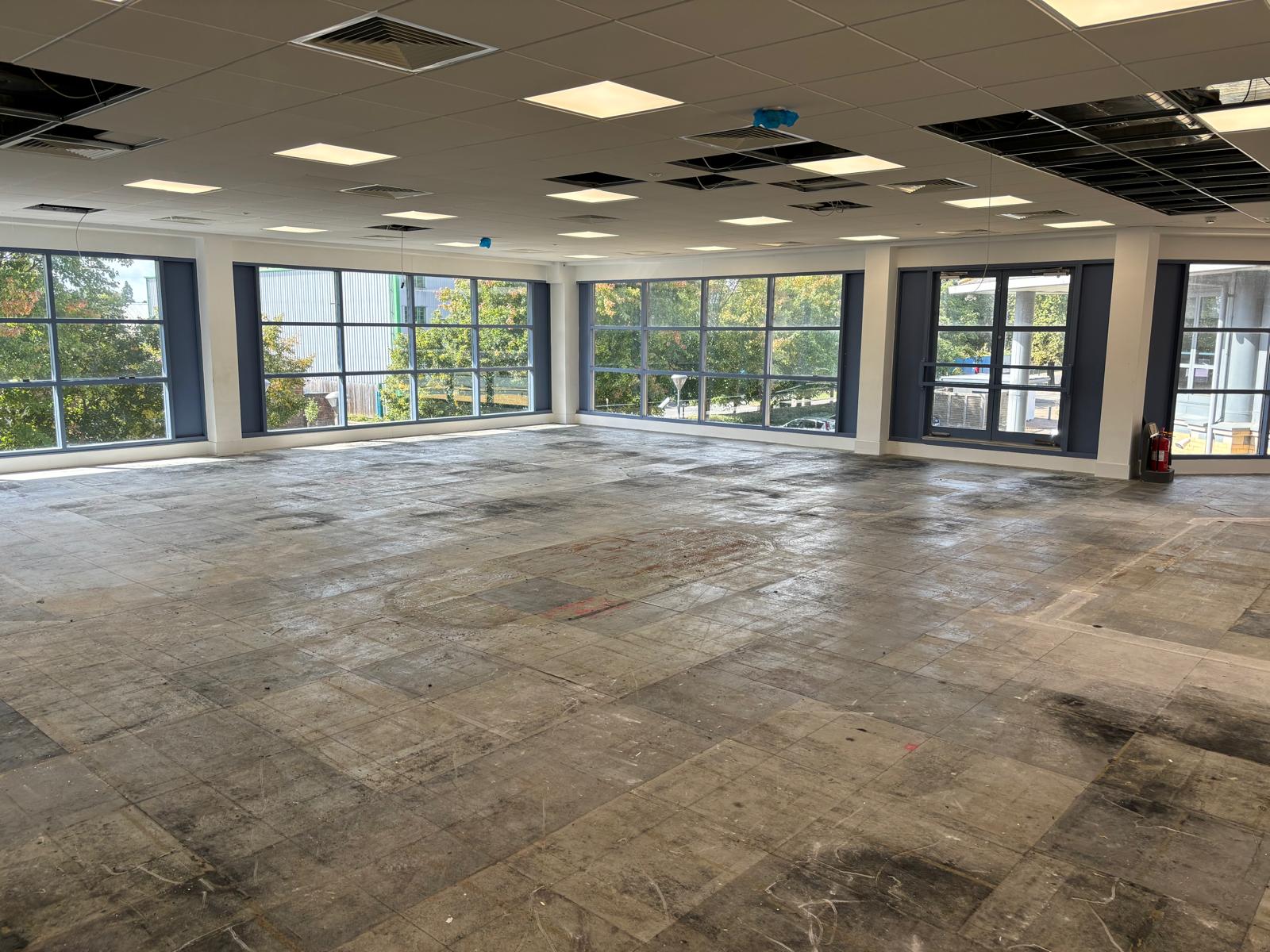
Getting a strip out quote in London can feel like guesswork. Contractors rarely publish prices online, and the gap between the cheapest and most expensive quote can be huge. This guide gives you real cost benchmarks so you know what to expect before you pick up the phone.
We'll cover cost per m², how different property types compare, and the things that genuinely move the price — so you can spot a fair quote when you see one.
Quick note: All prices below are based on London market rates in early 2026. They're guide figures — your actual quote depends on the specifics of your site. We've noted the main variables further down.
What Does Strip Out Work Actually Include?
A strip out (also called a soft strip or enabling works) means clearing a building back to its shell so it's ready for fit-out or demolition. That typically means removing:
- Suspended ceilings and ceiling tiles
- Raised access floors
- Partitioning and internal walls
- Mechanical and electrical (M&E) services — pipework, ducting, conduit
- Flooring, carpets, and adhesives
- Fixtures, fittings, and furniture
What's included in your quote depends on the scope. Always confirm exactly what's in — and what's not.
Strip Out Cost Per m² in London (2026)
Here's a realistic breakdown of what London strip out projects cost per square metre. These are full-scope figures covering labour, waste removal, and skip hire.
The wide ranges exist because the scope varies a lot. A light soft strip on an empty office is very different to a full M&E removal with asbestos surveys, nightwork, and a tight turnaround.
Office vs Retail vs Warehouse — What's the Difference?
Office Strip Outs
Offices are the most common strip out job in London. They tend to have suspended ceilings, raised floors, and a lot of M&E — which all take time to remove carefully. Central London offices with access restrictions, lifts only, or out-of-hours working requirements will sit at the higher end of the range.
A straightforward 500m² office in Zone 2 with good access and a flexible programme might come in around £6,500–£9,000 all-in. Add nightwork, asbestos, or restricted skips and that figure climbs fast.
Retail Strip Outs
Retail units often cost more per m² than offices — even though they're sometimes smaller. Why? They're harder to work in. Shopping centres have strict rules on hours, noise, waste routes, and deliveries. A retail unit in a busy London shopping centre might only be accessible during off-peak hours or overnight.
High street units with easy rear access are cheaper. Mall units with service-corridor restrictions are more expensive. Expect to pay a premium if there's a turnover deadline involved.
Warehouse Strip Outs
Warehouses are usually the most straightforward to strip. There's often less M&E, fewer internal structures, and good vehicle access. That's why the per-m² rate tends to be lower — but the raw size of the building can still make the total cost significant.
A 2,000m² industrial unit with clear access might cost £14,000–£28,000 depending on what's being removed. Mezzanine floors or heavy-duty racking add to the price.
| Property Type | Typical Rate (per m²) | Common Scope | Key Cost Driver |
|---|---|---|---|
| Office | £8 – £25 | Ceilings, floors, partitions, M&E | Access, hours, M&E density |
| Retail (High Street) | £10 – £22 | Shopfitting, fixtures, flooring | Lease deadline, access |
| Retail (Shopping Centre) | £18 – £30 | As above + restricted hours | Nightwork, mall rules |
| Warehouse / Industrial | £5 – £18 | Racking, mezzanines, M&E | Structure removal, size |
| Mixed-Use / Complex | £20 – £40+ | Multi-floor, heritage, asbestos | Risk, compliance, access |
Real-World Cost Examples
To give you a sense of how this plays out, here are some typical London strip out scenarios and what they'd likely cost.
| Scenario | Size | Estimated Cost | Notes |
|---|---|---|---|
| Small City office, soft strip only | 250m² | £3,000–£5,500 | Ceilings, carpet, partitions — no M&E |
| Mid-size office, full strip out | 1,000m² | £14,000–£22,000 | All services, nightwork, central London |
| Retail unit, shopping centre | 400m² | £10,000–£16,000 | Restricted hours, tight deadline |
| Warehouse, full clearance | 3,000m² | £18,000–£40,000 | Mezzanine removal, M&E strip |
|
Listed building, complex scope |
600m² | £20,000–£35,000+ | Asbestos, heritage constraints, specialist work |
How to Get a Fair Quote
A few things that help you get accurate pricing — and avoid nasty surprises later. Get the asbestos survey done first. No reputable contractor will quote accurately without knowing what's in the building. Provide floor plans. Even rough ones help. Contractors are much more accurate when they can see the layout before they visit. Be upfront about access restrictions. Hours, lift size, parking — all of it affects price. Don't hide it, you'll just get a revised quote later. Get at least two quotes. Not to find the cheapest — to find the most detailed. A well-itemised quote shows the contractor has thought it through. Ask what's not included. Asbestos removal, skip permits, and structural demolition are often priced separately.
Common Questions
Does strip out include waste disposal?
It should, but confirm it. Some contractors quote labour only and add skip hire separately. Ask what's in the price and make sure you get a Waste Transfer Note — it's a legal requirement.
How long does a strip out take?
A small office might be done in 2–3 days. A large floor plate or complex site could take 2–4 weeks. Timeline depends on access, scope, and how many operatives are on site.
Do I need planning permission for a strip out?
Generally no — strip outs are classified as internal works. But listed buildings are different. Check with your local authority if you're unsure, and always tell your contractor if the building has any heritage designation.
Can strip out happen while the building is occupied?
Sometimes, with the right planning. It's more complex, usually more expensive, and requires careful sequencing. It's done regularly in phased office refits and retail changeovers — but it needs proper coordination.
What's the difference between a soft strip and a full strip out?
A soft strip removes non-structural elements — ceilings, floors, partitions, fit-out. A full strip out goes further and may include M&E services and structural works. Always agree on the exact scope before work starts.
Recent Blogs
- The Complete Guide to Commercial Strip Out Projects in the UK
- Who Is Responsible If Something Goes Wrong During a Strip Out?
- Strip Out Costs: What Actually Drives the Price and Why Quotes Vary So Much
- CAT A vs CAT B: What They Mean and Why It Matters for Your Strip Out
- How Long Does a Strip Out Take?